
Last updated October 17, 2026
 Metal roofing
 Architectural shingles
 Tile roofing
 Owens Corning
Free roof inspection with deck photos before we talk money - GAF and Owens Corning certified installation
Seasonal Roofing Care for San Diego: Year-Round Homeowner’s Guide
San Diego’s “rainy season” delivers roughly 80% of its annual rainfall between December and March. That’s a compression window no other major U.S. city shares. A roof vulnerability opened by October’s Santa Ana winds will almost certainly leak before a roofer’s calendar has an opening in January. This guide is built around that reality. You’ll learn exactly what to do, month by month, to keep your roof from becoming a January emergency call. In San Diego, roof maintenance is not a spring-and-fall ritual. It’s a September discipline, a December scramble, and an August sun check.
Styles & brands we work with
Quick Answer
San Diego roofing care follows three real seasons: Santa Ana wind and ember season (September through October), the narrow winter rain window (December through March), and the long UV and salt-air exposure period (April through August). The single most important task is a pre-Santa Ana inspection in September that clears debris from valleys, checks flashing and pipe boots, and documents shingle condition before winds arrive. Homeowners who do this one thing avoid most of the leaks we see every January.
Table of Contents
- The Real Roofing Calendar: Santa Ana, Rain, and UV
- September – October: The Pre-Santa Ana Inspection Priority List
- November – December: The Six Weeks Before Rain Arrives
- January – March: Monitoring an Active Roof During Rain Events
- April – August: The UV and Salt-Air Maintenance Window
- How to Build a Simple Annual Roof Care Calendar
- Common Mistakes to Avoid
- When to Call a Professional
- Frequently Asked Questions
- The Bottom Line
The Real Roofing Calendar: Santa Ana, Rain, and UV
Most national roofing advice tells you to inspect in spring and fall. That advice fails in San Diego. Here, the damaging forces arrive in a different sequence. Santa Ana winds in September and October strip loose materials, lift flashing, and pack valleys with dry debris that becomes wildfire ember fuel. Then rain arrives in December, and every gap created during wind season becomes a leak. Then summer returns, and eight months of intense UV and coastal salt air accelerate granule loss, dry out sealants, and crack any material exposed to direct sun.
We see this pattern repeat every year at Mercer Roofing Co San Diego home. Homeowners who act in September rarely call us in January for emergency repairs. Homeowners who wait until the first rain finds a problem are already behind. The sequence matters because the fixes are cheaper and faster at each stage before water enters the home. A cracked pipe boot in September is a $15 part and a quick repair. That same crack in January is often ceiling repair, insulation replacement, and a room that needs drying out.
Key takeaways for the San Diego cycle:
- September and October are the highest-leverage months for prevention.
- December through March is not inspection season. It’s monitoring and response season.
- April through August is the time for reflective coating checks, granule-loss assessment, and moss and algae treatment.
- The roof materials that survive longest in San Diego are the ones maintained for UV and salt exposure, not just for rain.
September – October: The Pre-Santa Ana Inspection Priority List
The Santa Ana winds typically arrive in late September and peak in October, bringing dry air from the high desert at sustained speeds that regularly top 30 mph, with gusts over 60 mph in passes and canyons. The physical force of sustained wind on a roof is not the main problem. The real problem is what the wind carries: fine dust, dry leaves, palm fronds, and eucalyptus bark. Those materials pile into valleys, gutters, and behind roof penetrations, then sit there for months. When embers from a wildfire arrive, that dry collection is the ignition point.
Your September inspection should focus on five items, in order:
- Valley debris. Valleys are where two roof planes meet and channel debris downward. In San Diego, eucalyptus bark and palm debris are the worst offenders. They pack tightly and retain embers. Clear them completely.
- Loose or lifted tiles and shingles. Wind works on any edge it can catch. Walk the property with binoculars, or from a ladder at the eave, and look for anything not lying flat. A lifted shingle becomes a tear in the next strong gust.
- Pipe boot caulk. The rubber boot around plumbing vent pipes degrades under constant San Diego UV. By September, any boot older than five years is suspect. The caulk seal around the pipe dries and cracks, and wind-driven rain enters there first.
- Flashing at chimneys, skylights, and wall junctions. These are the joints where roof planes meet vertical surfaces. Step flashing and counter-flashing work loose over time. The test is simple: look for gaps, raised edges, or missing sealant.
- Gutters and downspouts. Clogged gutters during rain season push water back under the roof edge. During Santa Ana season, dry gutter debris is a fire risk. Clean them in September, before either season starts.
The tools you need are basic: a ladder, work gloves, a leaf blower or garden trowel, and a pair of binoculars. Most of this work is safe for a homeowner to do from the ground or an eave ladder. Walking on a roof, especially a tile roof, is a different matter. Tile is brittle, and a foot placed wrong cracks it. If any portion of this inspection requires getting onto the roof surface, that’s the point to call Roof Repair in San Diego professionals. A cracked tile you cause in September becomes a leak in December.
November – December: The Six Weeks Before Rain Arrives
Once November arrives, the window for prevention narrows quickly. First heavy rain in San Diego typically falls in December. That leaves roughly six weeks to address whatever you found in September, or to discover problems if you skipped the inspection. The work at this stage falls into two categories: what a homeowner can do, and what requires immediate professional attention.
If You Find a Problem in November: Emergency Tarping Standards
If your November check finds a lifted flashing, cracked pipe boot, or shifted tile that exposes the underlayment, the priority is keeping water out until a permanent repair can happen. Emergency tarping is a temporary fix, not a repair. A proper tarp job in San Diego must account for wind, since Santa Anas can still arrive in November. That means the tarp must extend at least four feet past the damaged area in every direction, be secured with boards or sandbags and not just staples, and be checked after every wind event. A loose tarp flapping in wind causes more damage than the original problem.
Temporary repairs to buy time before rain include:
- Roofing cement or sealant applied around pipe boots at the first sign of cracking.
- Weighted tarp over any exposed underlayment.
- Clearing all gutters and downspouts a second time in late November, after the last big leaf drop.
- Checking attic ventilation for any daytime light penetration at the roof deck, which indicates gaps.
For any repair that requires walking the roof surface or opening the roof system, Roofing Company in San Diego professionals are the right call. San Diego roofers book heavily November through January, and scheduling is easier before the first storm than during one. Waiting until water is entering the home means waiting longer for a repair that now costs more. A cracked pipe boot replaced in November might cost a few hundred dollars. The same leak in January often means replacing insulation, drywall, and dealing with mold. The price difference is not close.
January – March: Monitoring an Active Roof During Rain Events
Once the rain window opens, the role of the homeowner shifts from prevention to monitoring. In San Diego, January and February bring the most consistent rain, often in multi-day systems rather than single heavy downpours. A slow, persistent leak may not show itself until the second or third day of rain, when the water finally saturates through layers of decking and insulation. This is why attic checks after storms matter more than roof inspection during rain.
Here’s a simple monitoring routine that works for any San Diego homeowner:
- After any rain event lasting more than 12 hours, go into the attic during daylight. Look for dark staining on the underside of the roof deck, damp insulation, or visible water tracks. Any of these is a leak, even if you don’t see a ceiling stain yet.
- Learn to read ceiling stain patterns. A circular brown stain on the ceiling directly below a pipe boot or vent tells you the leak is near that penetration. A long stain running along a wall line or corner usually means water is traveling from a higher point, often along a rafter or through a valley. A stain that appears only after sustained rain points to saturated decking, not an open hole.
- Check the same spot three times. Water travels slowly through a roof system. The spot where water enters the home is rarely the spot where water entered the roof. Mark ceiling stains with painters tape and re-check after the next rain to track the path.
- Watch for the drip that never stops. If a drip continues long after rain has stopped, water is pooled somewhere in the system, often behind a clogged valley or in a saturated area of decking. That’s a call to a professional, not a wait-and-see situation.
During this window, the most useful thing a homeowner can do is document. Photos of ceiling stains, dates of rain events, and notes on when the drip started all help a roofer diagnose a leak far faster than a vague “water in the bedroom” call. When the rain window ends, that documentation becomes the roadmap for permanent repairs.
April – August: The UV and Salt-Air Maintenance Window
San Diego’s “sun season” is the longest roofing season of the year, running roughly eight months from April through mid-November. This is where coastal homes and inland homes diverge. Homes within five miles of the coast face constant salt air, which corrodes metal flashing, accelerates oxidation on fasteners, and degrades sealants faster than UV alone. Homes east of Interstate 15 face sharper temperature swings, with summer roof surface temperatures reaching 150°F and higher, driving granule loss on shingles and thermal expansion stress on flat roof membranes.
April through August is the window for four specific maintenance tasks:
- Flat roof coating inspections. If your home has any flat or low-slope roof area, the reflective coating is the primary UV barrier. Look for blisters, cracks, or bare spots where the coating has worn through. In San Diego, most flat roof coatings last five to seven years before needing reapplication, but coastal salt air can shorten that to four years.
- Granule-loss assessment on shingles. Run a hand gently across a shingle surface (from a ladder at the eave, not while standing on the roof) and check for granules coming off on your palm. Some loss is normal over time. A visible pile of granules in gutters or at downspout bases signals accelerated degradation. Shingle roofs with heavy granule loss may need section replacement rather than full replacement, depending on age and condition.
- Moss and algae treatment timing. Moss and algae do exist in San Diego, mainly on shaded north-facing slopes, under tree canopies, and in coastal microclimates with morning fog. August, before the cooling trends of September, is the right time to treat with a roof-safe moss and algae cleaner. Treatment is more effective when the roof is dry and temperatures are high, and it prevents the growth from retaining moisture through the winter rain window.
- Flashing and sealant re-check. The same flashing and pipe boot caulk checked in September degrades further over the summer. A mid-summer check catches UV and salt damage before wind season returns. This is especially relevant for coastal homes where salt air accelerates corrosion on metal flashing edges.
Homes with shingle brands like IKO and Atlas are built to perform well in high-UV climates, but no shingle is immune to San Diego’s specific combination of UV plus salt air. The maintenance, not the product, is what determines the lifespan. A properly maintained shingle roof in San Diego can last 20 to 25 years. The same materials with no maintenance often show significant degradation at year 12.
How to Build a Simple Annual Roof Care Calendar
The reason most San Diego roof maintenance slips into “I’ll do it eventually” is not lack of will. It’s lack of a specific schedule tied to specific months. “Eventually” always loses to everything else. Here’s a calendar that works because each task is pinned to a real date range and a real consequence.
- September 1 – 15: The Full Inspection. Do the full pre-Santa Ana inspection: valleys, tiles, pipe boots, flashing, gutters. This is the non-negotiable annual task. Block the date.
- October 15: Debris Re-Clear. After the first Santa Ana events, clear valleys and gutters again. Wind brings new debris. This second clearing is what keeps embers from having anything to catch.
- November 1 – 15: Pre-Rain Repair Window. If the September inspection found problems, this is the deadline for scheduling permanent repairs. If you found nothing, do a light visual check for anything wind moved.
- December – March: Post-Rain Attic Checks. After every rain event over 12 hours, check the attic for staining, damp insulation, or water tracks. Mark and photograph anything new.
- April 15: Post-Rain Summary. Review your winter notes and photos. Identify any repairs needed, and schedule them for May. Repair work is more affordable and faster in spring than in fall.
- May 1 – 15: Permanent Repairs. Complete any repairs identified over the winter rain window. This includes flashing replacement, pipe boot replacement, and valley re-sealing.
- August 1 – 15: UV and Coating Check. Inspect flat roof coatings, check granule loss, treat moss and algae. This is also the time to check the roof’s overall condition after a full summer of UV.
Write these dates down somewhere you’ll actually see them: the notes app on your phone, a dry-erase board near the garage door, or a recurring calendar reminder. The specific dates matter less than the specific months. September, November, and August are the months that prevent most San Diego roof problems.
Common Mistakes to Avoid
- Treating national roofing advice as San Diego advice. “Inspect in spring and fall” is for places with real seasons. In San Diego, the inspection happens in September. A March inspection is already three months too late.
- Ignoring the gutter in September because “there’s no rain.” The gutter is not for rain in September. It’s for embers. Dry debris in gutters is the most common ignition point for roof structure fires during Santa Ana season. Clean it before wind season, not during rain season.
- Walking on a tile roof out of a sense of routine. Tile cracks under foot traffic. One cracked tile creates a leak path that stays hidden until rain arrives. If an inspection requires walking on the roof surface, get a professional out.
- Waiting to schedule repairs until the first rain is in the forecast. Every roofer in San Diego receives the same wave of calls the day before a storm. You’ll wait longer and pay winter-season rates. November is the repair window, not the discovery window.
- Assuming a dry summer means the roof is fine. UV damage accumulates silently. The crack that leaks in January started forming in August. Summer is not the season to ignore the roof. It’s the season to assess what the sun has done.
- Treating a ceiling stain as the primary problem. The stain is a symptom. The primary problem is the point of water entry, which is often several feet or several rafter bays away. Map the stain, track it, and find the source before repairing the interior.
When to Call a Professional
Some roof work is homeowner work. Clearing debris, checking from the ground with binoculars, documenting ceiling stains in the attic. Some work is not. Any repair requiring walking on the roof surface, any flashing or pipe boot replacement, any tarping job that must survive real wind, and any leak that has already entered the home interior: these are professional calls. The risk of a DIY mistake on a roof is not just the cost of fixing the mistake. It’s the cost of water damage that happens between the mistake and the repair. And it’s the risk of injury or damage from working at height on a surface not designed for foot traffic. Roof Installation in San Diego work, whether full replacement or section work, always belongs with a licensed crew. Mercer Roofing Co San Diego offers free estimates in San Diego. Call (619) 810-5520 and we’ll send a technician whose name and photo you’ll have before they arrive, with a photo ID badge at the door and a written price in hand before any work starts.
Frequently Asked Questions
September. Specifically, the first two weeks of September, before serious Santa Ana wind activity begins. A September inspection catches damage from the previous winter and the summer UV season while there’s still time to schedule repairs before the next rain arrives in December. Waiting until spring means the roof has already been exposed to both wind season and rain season without intervention.
Basic roof maintenance in San Diego, including debris clearing, gutter cleaning, and a visual inspection, typically runs $150 to $350 depending on roof size and accessibility. For a deeper look at what goes into these costs and how to budget for them, see The Complete Guide to Roofing in San Diego. Minor repairs found during maintenance, like a cracked pipe boot or lifted flashing, generally cost $200 to $500. The cost of skipping one maintenance cycle is far higher: an entry-point leak in January often leads to $2,000 to $5,000 in combined roof and interior repair. Call (619) 810-5520 for an exact quote based on your roof’s specific condition. Estimates are free and come with a written price before any work starts.
Yes, and the reason is fire, not water. San Diego’s Santa Ana season and wildfire season overlap in September and October. Dry debris in valleys, gutters, and against roof penetrations is kindling. Embers travel miles, not feet. A roof with clean valleys and clear gutters has no material to catch and hold an ember. Debris clearing is the highest-value fire prevention task a homeowner can do, and it costs nothing but time.
Flat roof reflective coatings should be checked every August, which is the peak of UV stress after a full summer. Most coatings in San Diego’s climate last five to seven years before reapplication is needed, but homes within five miles of the coast may only get four to five years due to salt air accelerating breakdown. Look for blisters, bare patches, and chalky residue. Early reapplication costs a fraction of replacing a membrane that has split from UV exposure.
Cracked or deteriorated pipe boots, followed by lifted or corroded flashing at chimneys and wall junctions. San Diego’s sustained UV exposure dries out the rubber and caulk seals around plumbing vent pipes faster than almost any other climate factor in the country. Pipe boots older than five years should be inspected every September. The repair is straightforward and inexpensive when caught before rain season.
Not with Mercer Roofing. We provide a written price before any work starts, covering the full scope of what we found in our inspection. If new roof damage is discovered during the job that changes the scope, we stop work, document the new issue with photos, and provide an updated written price before continuing. No work proceeds without your written approval. Our 365-Day Done Right Promise takes it further: if the work isn’t right within a year, we make it right, backed by a written guarantee on every repair we do. That’s a standing offer, not conditional language.
The Bottom Line
San Diego has three roofing seasons, and the homeowners who understand that sequence skip most roof emergencies. Clean valleys and gutters in September, before Santa Ana winds turn debris into ember fuel. Complete repairs in November, before the December rain arrives. Track ceiling stains and attic conditions through the winter, then use the summer UV window for coating checks, granule assessment, and moss treatment. The calendar is simple: September, November, August. Miss one window and you’re paying triple for the same repair in January. Now you have the dates and the reason behind each one. That’s the difference between a roof that surprises you and a roof you manage.
Written by Grant Whitlock, Owner at Mercer Roofing Co San Diego, serving San Diego since 2000.
See the difference
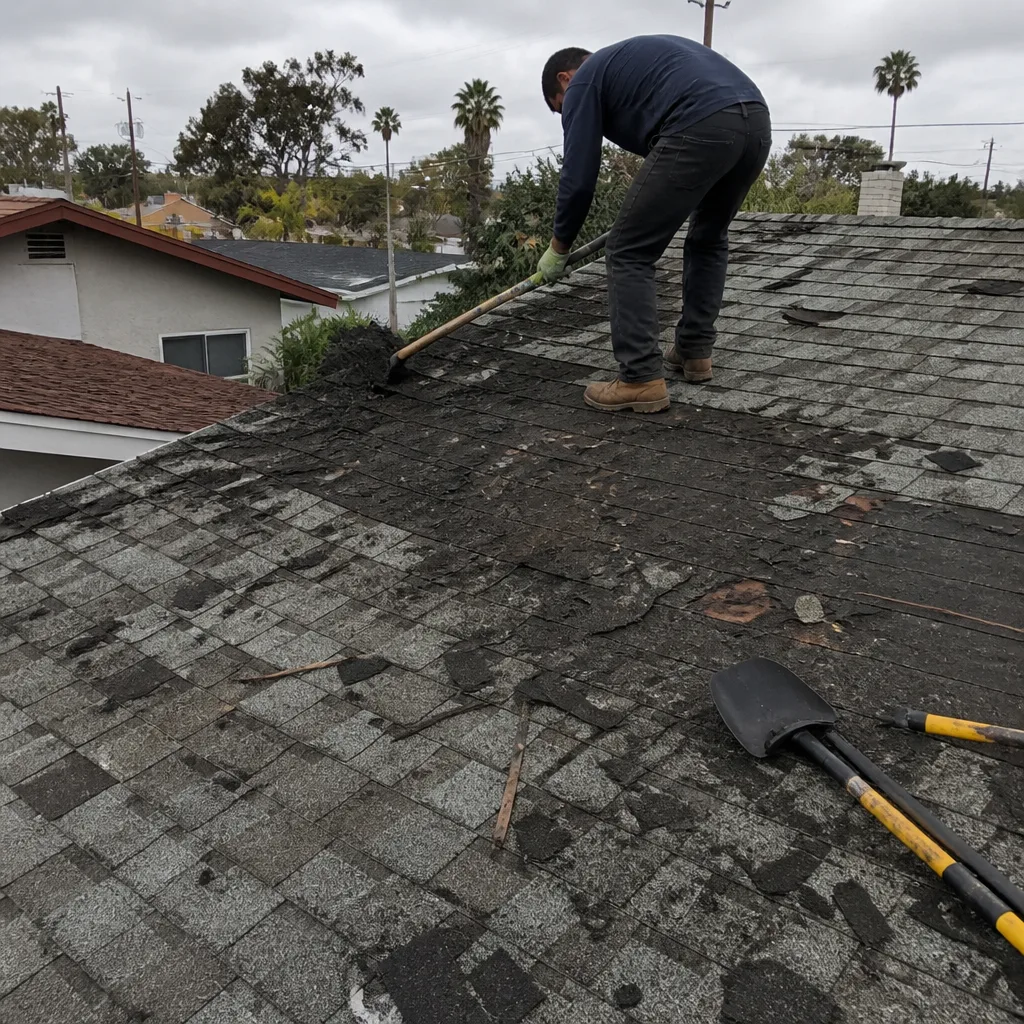 Before
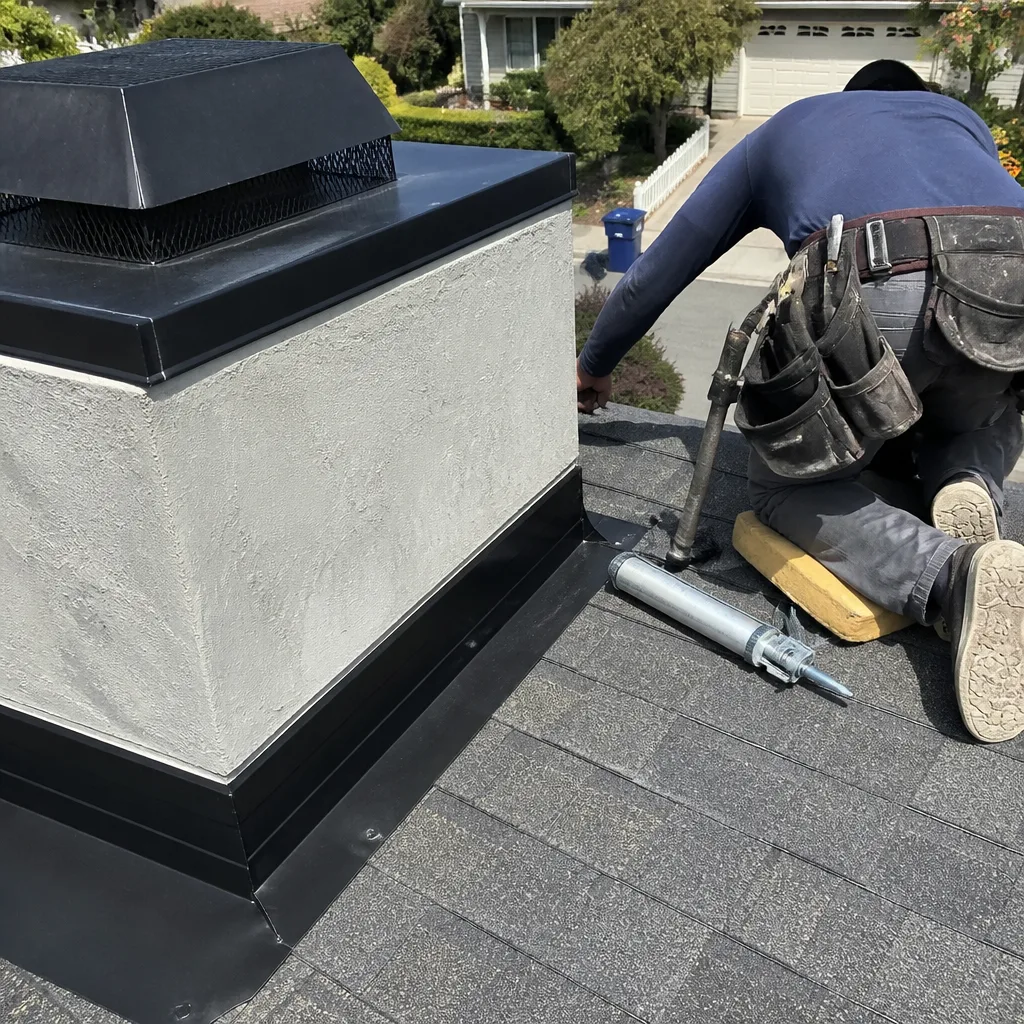
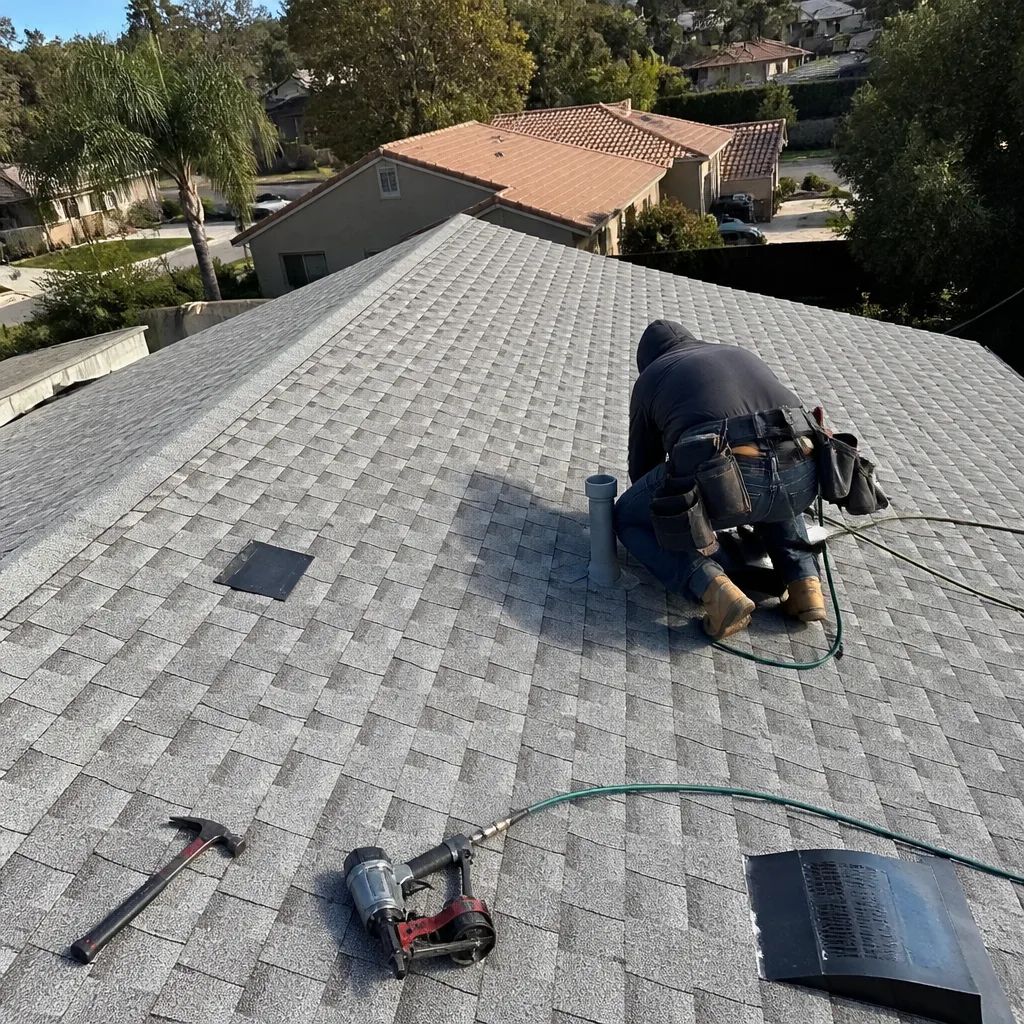 After
After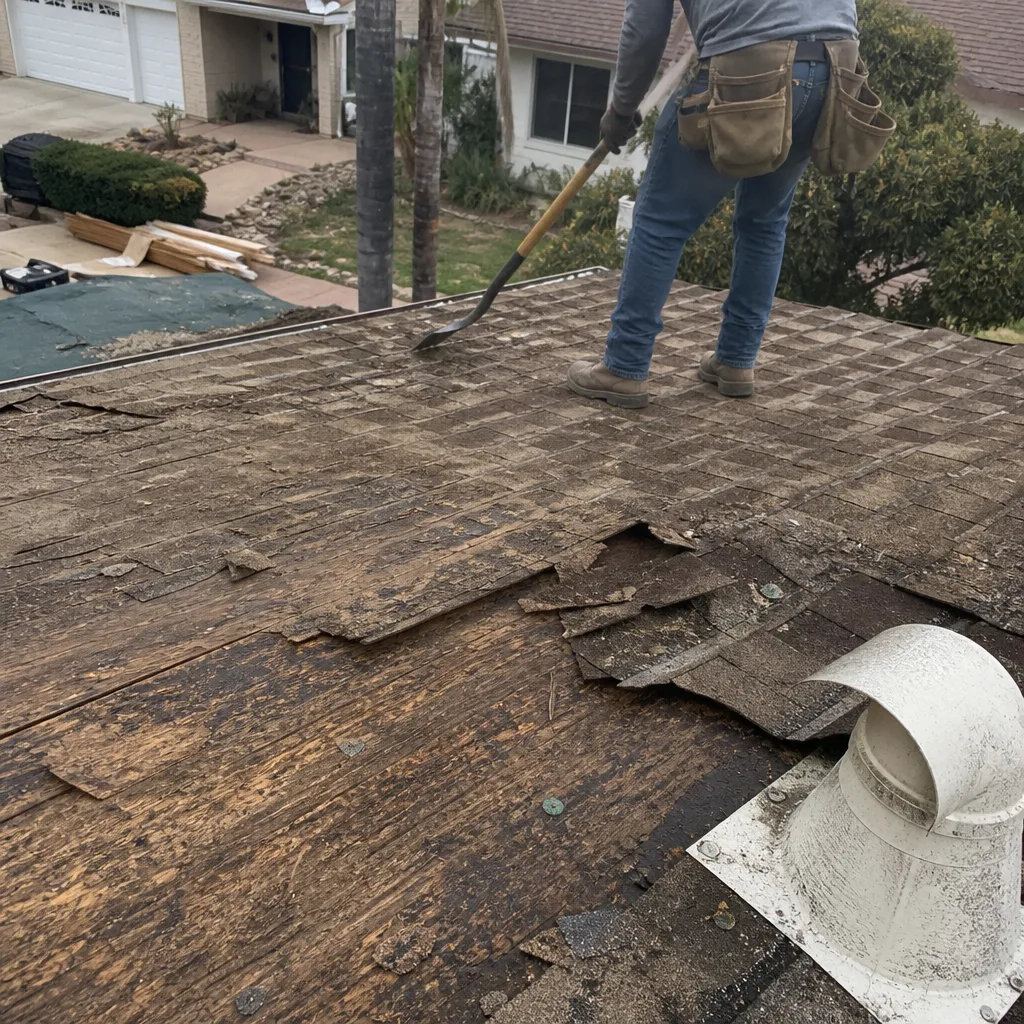 Before
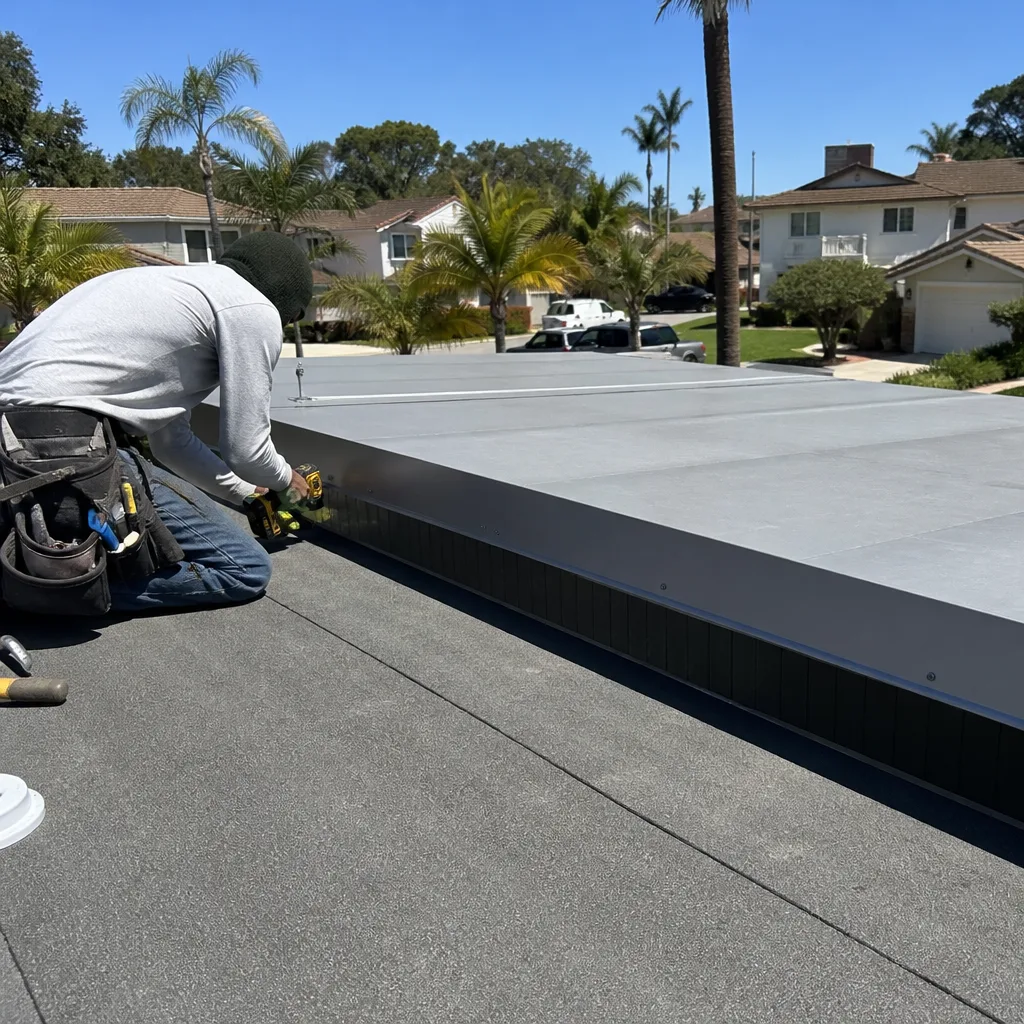 After
After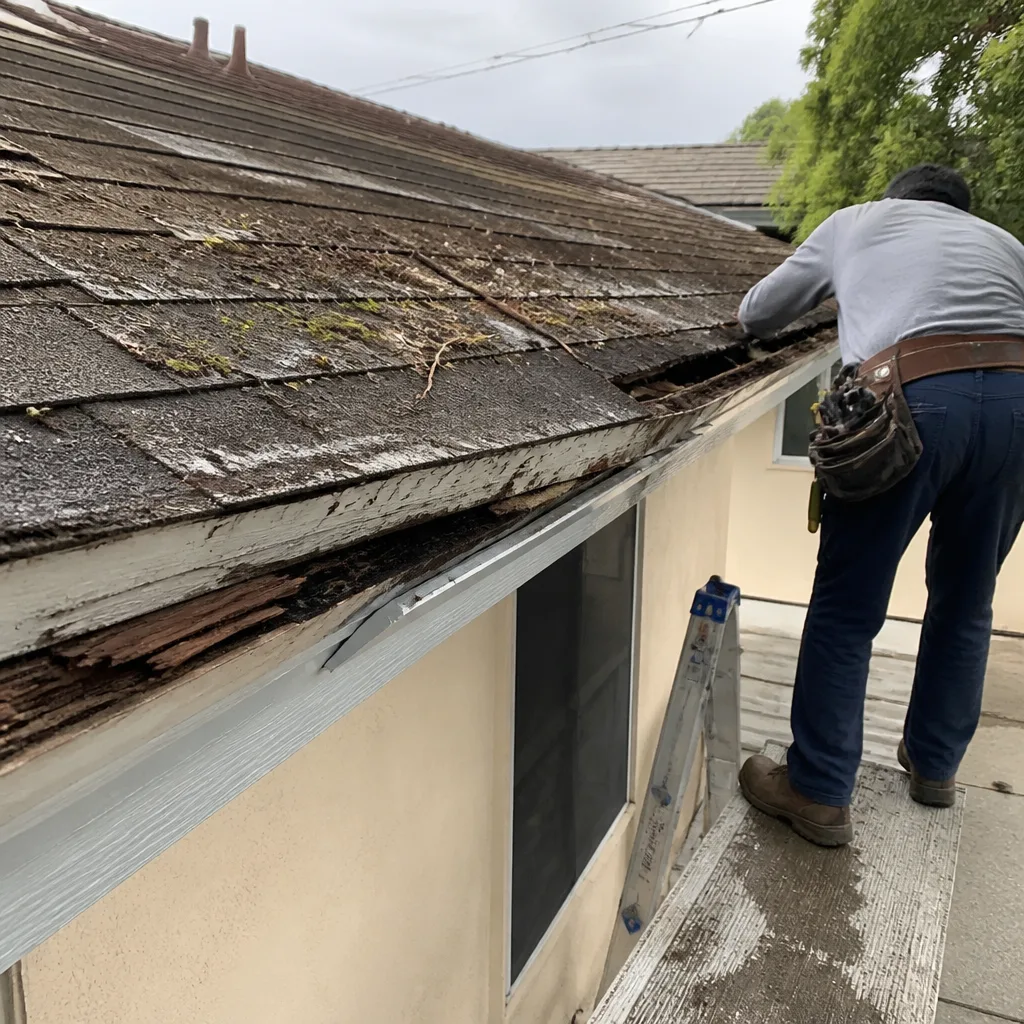 Before
 After
After