
Last updated October 17, 2026
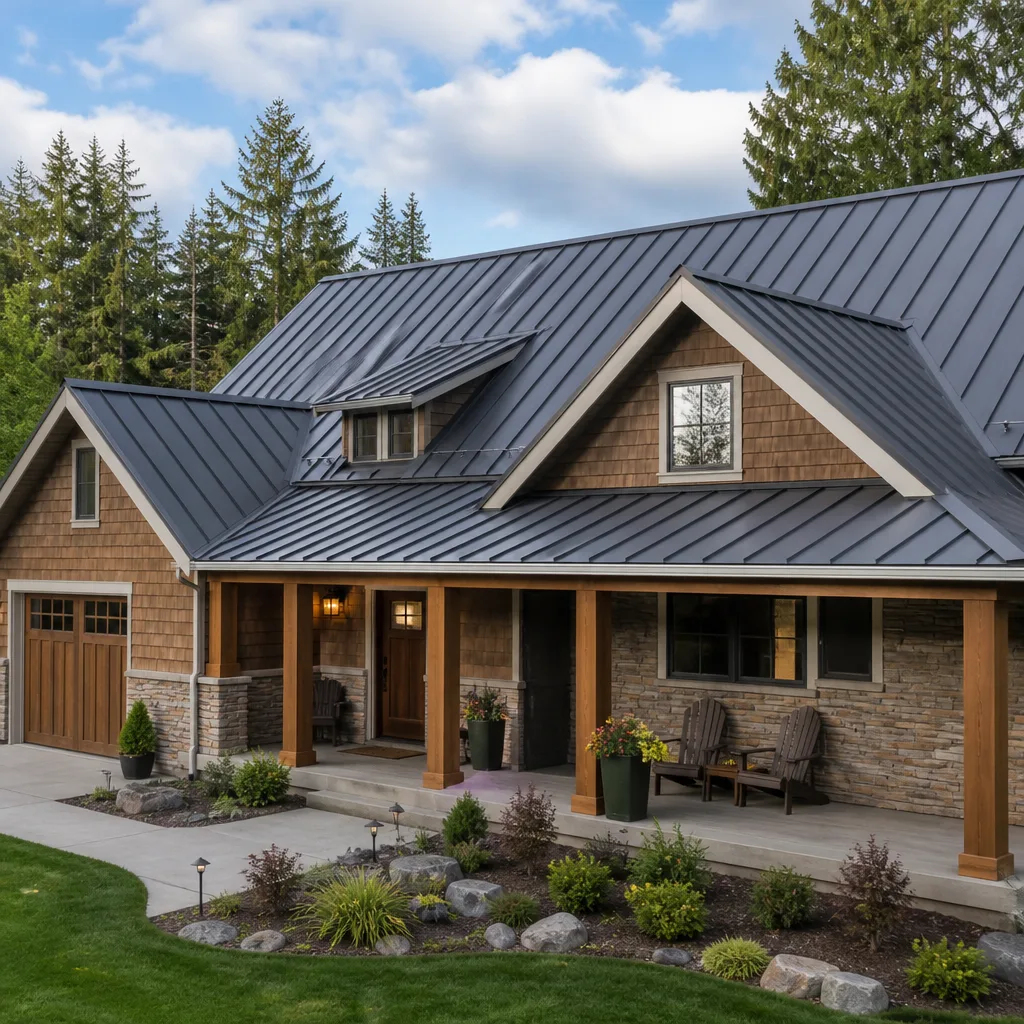 Metal roofing
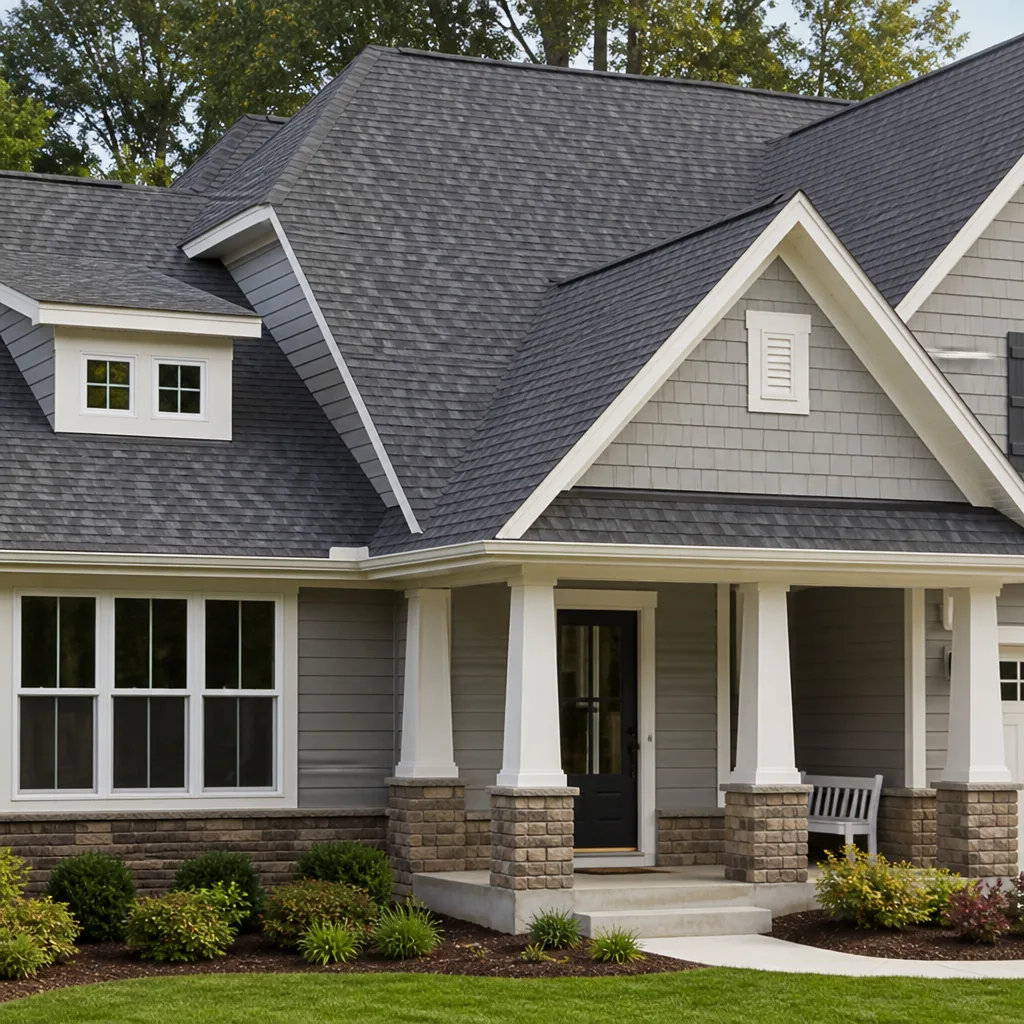 Architectural shingles
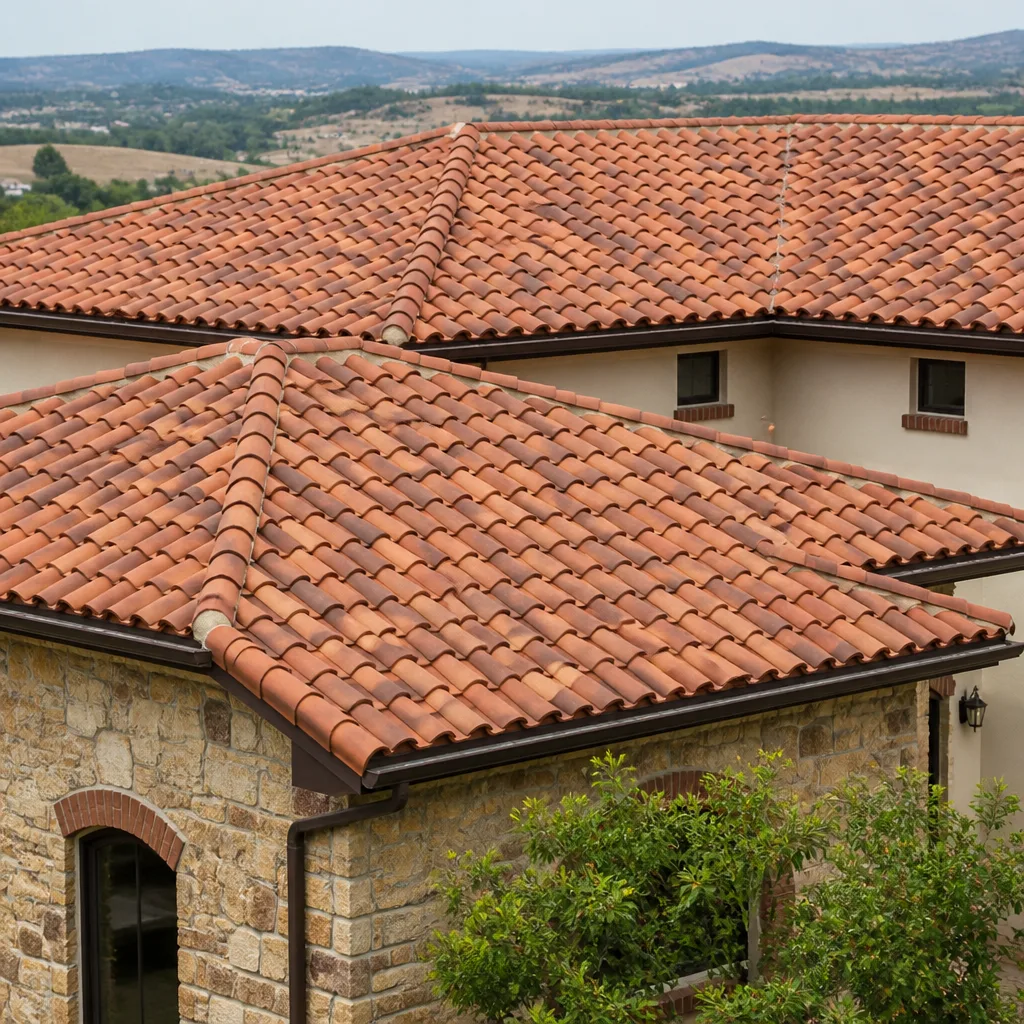 Tile roofing
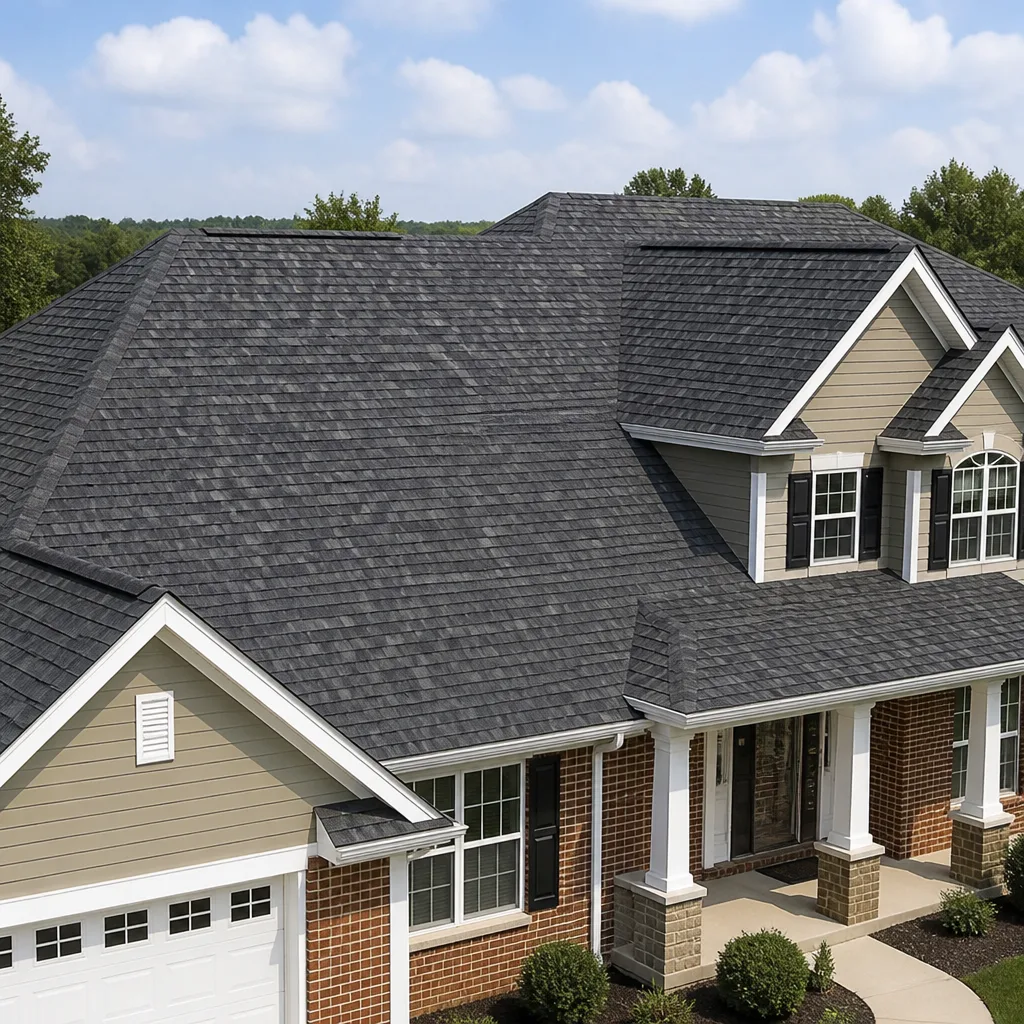 Owens Corning
Free roof inspection with deck photos before we talk money - GAF and Owens Corning certified installation
The Complete Guide to Roofing in San Diego
San Diego averages 266 sunny days a year, and that sunshine quietly degrades asphalt shingles at a rate that surprises most homeowners who assume rain is their roof’s only real enemy. In fact, the intense UV exposure here strips granules off shingles faster than the damp, overcast climates where most national roofing lifespan data gets collected. This guide is written specifically for Mercer Roofing Co San Diego homeowners, so you can make roofing decisions based on how your roof actually fails in this city, not on generic advice written for Seattle or Boston. We’ll cover real costs, what your roofer should legally carry, which materials survive here, and how to read a quote so the final invoice matches the first one.
Quick Answer
San Diego roofing decisions should be driven by UV degradation, coastal salt air, and wildfire ember exposure, not by rain resistance. A full roof replacement in San Diego typically runs between $9,000 and $28,000 depending on material and home size, while targeted repairs average $350 to $1,200-see our Roof Repair Maintenance Checklist for San Diego Homeowners for what to watch for. The three materials that perform best here are concrete tile, cool-roof reflective coating systems, and impact-resistant asphalt shingles, and every legitimate contractor should carry a C-39 license, workers’ compensation, and liability insurance without exception.
Styles & brands we work with
Table of Contents
- Why San Diego’s Climate Is Harder on Roofs Than It Looks
- The Three Roofing Materials That Actually Work in San Diego
- How Much Roofing Costs in San Diego in 2025
- What Your San Diego Roofer Must Legally Carry
- How to Read a San Diego Roofing Quote Line by Line
- Wildfire Ember Ratings and What They Mean for Your Roof
- How Often San Diego Roofs Actually Need Maintenance
- Common Mistakes to Avoid
- When to Call a Professional
Why San Diego’s Climate Is Harder on Roofs Than It Looks
San Diego’s reputation as a mild-weather city works against homeowners. The absence of dramatic storms, snow, and deep freezes creates a false sense that roofs here coast along without stress. The data says otherwise. Our technicians see the same failure patterns year after year in neighborhoods from Point Loma to Rancho Bernardo, and they’re driven almost entirely by three local factors that never show up in generic roofing advice.
First, the UV index. San Diego sits at roughly 32.7 degrees north latitude, which puts it under some of the strongest sustained ultraviolet radiation in the continental United States during summer months. Asphalt shingles are protected by ceramic granules embedded in a petroleum-based asphalt layer. UV breaks down that asphalt binder the same way it fades car paint and cracks pool decking. When the binder degrades, granules release. That’s the sand you find in your gutters. Once granule loss reaches a certain point, the shingle’s fiberglass mat is exposed, and the clock on functional life drops dramatically. In our experience, a 30-year architectural shingle in San Diego often shows meaningful granule loss by year 12 to 15, especially on west-facing and south-facing slopes.
Second, marine salt air. Homes west of Interstate 5 in neighborhoods like Ocean Beach, Pacific Beach, La Jolla, and Imperial Beach deal with airborne salt that settles on roofs continuously. Salt attracts and holds moisture in the microscopic pores of roofing materials, accelerating corrosion on metal flashing, pipe boots, and fasteners. We regularly replace flashing on coastal homes in San Diego years before the shingles themselves fail. Salt combined with UV is a one-two punch: the UV dries the material, the salt keeps it moist and corrosive.
Third, the brush-fire ember profile. Much of San Diego County exists within a Wildland-Urban Interface zone, where homes border canyons and open space. In these areas, fire marshals and building departments increasingly require Class A roofing assemblies designed to resist ember penetration. An ember landing on a roof with gaps in the decking, deteriorated underlayment, or exposed wood at the eaves can ignite a home from the top down. This is a San Diego-specific consideration that has reshaped material choices across Scripps Ranch, Rancho Peñasquitos, Poway, and East County in the past decade.
The Three Roofing Materials That Actually Work in San Diego
Roofing material choice in San Diego should not be based on what you see on houses elsewhere in the country. The right material is one that handles UV load, salt exposure, and ember risk while fitting the architectural style of your home. Three materials dominate for good reason.
Concrete Tile
Concrete tile is the most common roof you’ll see in San Diego, and it earns that position. Its lifespan here commonly reaches 40 to 50 years, and sometimes beyond, because concrete does not degrade under UV the way asphalt does. Tile also carries a Class A fire rating inherently, which makes it an easy choice for wildfire-prone areas. The honest tradeoffs are weight and cost. Concrete tile adds significant dead load to a roof structure, and older San Diego homes framed decades ago may need reinforcement before installation. Cost for a concrete tile roof on a typical 2,000-square-foot San Diego home generally runs from $18,000 to $28,000, with underlayment replacement being the critical line item. Tile does not create the waterproof barrier; the underlayment does. Expect to replace that underlayment at least twice during the life of the tile itself.
Cool-Roof Reflective Coating Systems
For flat and low-slope roofs common on mid-century San Diego homes and commercial properties, a reflective cool-roof system solves the primary problem directly. TPO (thermoplastic polyolefin) and reflective coatings bounce solar radiation back rather than absorbing it, which measurably lowers attic temperatures and cooling loads. In San Diego’s inland neighborhoods like El Cajon, Santee, and Escondido, where summer temperatures crack 100 degrees, a cool roof can reduce roof surface temperature by 50 degrees or more compared to dark asphalt. Installed cost for a TPO roof typically falls in the $12,000 to $20,000 range for a standard San Diego home. Lifespan runs 20 to 30 years with proper seam maintenance. The weakness is punctures and seam failure, so annual inspection matters more than it does on tile.
Impact-Resistant Asphalt Shingles
If budget and roof pitch point you toward asphalt, choose impact-resistant architectural shingles from a manufacturer like GAF, CertainTeed, or Owens Corning. These shingles use a rubberized asphalt formulation that holds granules longer under UV and resists impact damage from wind-blown debris. A standard architectural shingle roof in San Diego runs $9,000 to $16,000 on a typical home with a lifespan of 15 to 20 years. Impact-resistant versions typically add $1,500 to $3,000 to the total but extend useful life and often qualify for insurance premium reductions. We have installed GAF and CertainTeed systems on hundreds of San Diego homes and consistently see fewer granule-loss callbacks on the impact-resistant lines than on standard architectural products.
How Much Roofing Costs in San Diego in 2025
Here is the honest pricing picture for San Diego roofing work as of 2025. These are ranges we quote from, and they reflect current material and labor costs in this market. Your exact number depends on roof size, pitch, number of penetrations, and existing decking condition.
- Minor repair (single leak, flashing replacement, pipe boot): $350 to $800
- Moderate repair (multiple leaks, valley replacement, section re-flashing): $800 to $2,500
- Full asphalt shingle roof replacement (2,000 sq ft home): $9,000 to $16,000
- Full concrete tile replacement (2,000 sq ft home): $18,000 to $28,000
- Full TPO flat roof replacement (2,000 sq ft home): $12,000 to $20,000
- Underlayment replacement (tile roofs): $4,500 to $9,000
- Decking replacement per 4×8 sheet (when rot is found): $75 to $120 per sheet installed
- Permit fees (City of San Diego): typically $300 to $900 depending on scope
One number that consistently surprises homeowners is the decking line item. If your existing decking is rated for re-nailing under current code, you save that entire cost. But San Diego homes built before the mid-1980s often have decking that does not meet modern nailing pattern requirements, which means replacement. A reputable roofer will tell you this before work starts, not after the old roof is torn off. That disclosure is the difference between a quote you can trust and a change-order waiting to happen. For a deeper look at what repair pricing looks like in this market, see our Roof Repair in San Diego page.
What Your San Diego Roofer Must Legally Carry
California requires every roofing contractor operating in San Diego to hold a C-39 roofing classification from the Contractors State License Board. That license number must appear on every contract, every vehicle, and every piece of marketing material. Checking it takes 30 seconds on the CSLB website, and we encourage every homeowner to do it before signing anything. But a license alone is the bare minimum.
Here is what a legitimate San Diego roofing operation should carry, and what each item actually protects you from as the homeowner.
- C-39 Contractor’s License: This proves the company has passed the trade exam and carries the required bond. It is what separates a roofing contractor from a handyman, who cannot legally perform roofing work in California and carries no roofing-specific accountability.
- Workers’ Compensation Insurance: If a worker falls off your roof and the company does not carry workers’ comp, the liability can land on your homeowners insurance. We carry it on every employee, every job, no exceptions. It is non-negotiable for your protection.
- General Liability Insurance: Covers damage to your home during the work. Minimum policies exist, but a roofing company doing thousands of jobs in San Diego should carry meaningful coverage, not the statutory floor.
- A verifiable local presence: A San Diego address, a local phone number answered by a human being, and a record of completed projects you can actually see. Fly-by-night operators appear after wind events, and they disappear the moment a problem surfaces.
One more thing that most guides skip: ask whether the technicians who will actually be on your roof are the ones whose names are on the contract. Some San Diego roofing companies sell the job and then sub-contract the work to a crew they have never met. That’s a security problem and a quality problem. When Mercer Roofing Co San Diego sends a technician to your home, you receive their name and photo before they arrive. They arrive in a marked uniform and they hand you a photo ID at the door. That standard is ours. Every technician is background-checked and identity-verified under the Threshold Verified framework, which each independently owned location is contractually held to. We think it’s how every home service visit should work.
How to Read a San Diego Roofing Quote Line by Line
A roofing quote is a legal document, and the way it is written tells you everything about how the final invoice will look. Too many San Diego homeowners focus on the bottom number and skip the details that determine whether that number holds. Here is how to read one.
- Scope of work: This section should describe, in specific terms, what is being removed and what is being installed. Look for words like “tear off existing roof to decking,” “install new synthetic underlayment,” “install new GAF Timberline HDZ shingles.” If the scope says “re-roof as needed” or “install roofing system,” ask for clarification in writing before signing.
- Material specifications: The exact brand, product line, and color of every material should be listed. “Architectural shingle” is not a specification. “GAF Timberline HDZ, Charcoal, 30-year limited warranty” is a specification. This line protects you from a crew showing up with whatever was cheapest at the supply yard that morning.
- Decking and substrate provisions: This is where surprise costs hide. The quote should state the price per sheet for decking replacement and should include an estimate of how many sheets are likely to be needed. A roofer who writes “decking replacement as needed at additional cost” with no per-sheet price is leaving the door open. We give a written price before any work starts, including a per-sheet decking number, so there are no surprises on the invoice.
- Underlayment and flashing: Look for the specific underlayment product and the specific flashing metal. San Diego’s UV load makes underlayment choice meaningful. A quality synthetic underlayment should be named, not just “felt paper.”
- Permit and inspection line: The quote should state whether permit fees are included and who pulls the permit. In the City of San Diego, roofing permits are handled at the Development Services Department. A company that suggests skipping the permit is asking you to accept liability for unpermitted work that can complicate a future home sale.
- Payment schedule: California law limits roofing deposits. Be wary of any contractor asking for more than the statutory limit up front. A reasonable payment structure ties payments to milestones: a deposit to schedule, a payment at material delivery, and the balance on final inspection.
- Warranty language: Two warranties should exist: the manufacturer’s material warranty and the contractor’s workmanship guarantee. The contractor guarantee should state its duration in days. Ours is 365 days, and it is written into every repair: if the work is not right within a year, we make it right, and a failed repair gets a free second visit.
When you read a quote from any Roofing Company in San Diego, apply this test: can you hand this document to another roofer and have them complete the work without asking a single clarifying question? If yes, it is a real quote. If no, it’s a sales document.
Wildfire Ember Ratings and What They Mean for Your Roof
San Diego County contains large swaths of Wildland-Urban Interface zones, and building codes in those zones increasingly mandate Class A roofing assemblies, which is the highest fire rating a roof assembly can achieve. Understanding what that rating actually means will help you make a material decision that protects your home and satisfies the local fire marshal.
A Class A rating means the roof assembly has passed a standardized test in which burning brands are placed on the roof surface and the assembly resists flame spread and penetration. It is not a rating of the material alone, but of the entire assembly: the decking, the underlayment, and the surface material. This is why a tile roof in San Diego is technically a Class A assembly only when the underlayment and decking beneath it are installed to the standard. Tile itself does not burn, but embers can find their way through gaps into the attic if the underlying layers are compromised.
For homeowners in Poway, Scripps Ranch, Rancho Santa Fe, and much of East County, the practical sequence is: check your current assembly rating, then choose a replacement material that maintains or improves it. Concrete and clay tile are the traditional Class A choices. Impact-resistant asphalt shingles from manufacturers like Owens Corning and CertainTeed can achieve Class A when installed with the rated underlayment. Some treated wood shakes no longer meet the standard in wildfire zones at all.
Embers, not flame fronts, cause most home ignitions during wildfires. They get pushed miles ahead of the fire line by wind and land in gutters, on decks, and on roofs. A roof assembly with no gaps, no deteriorated edges, and no exposed wood at the fascia and eave lines gives embers nowhere to start. That is the goal, and it is why we treat underlayment and flashing as the foundation of fire resistance, not an afterthought.
How Often San Diego Roofs Actually Need Maintenance
Ask a roofer in Minnesota how often to inspect a roof, and they’ll say once a year after winter. Ask a roofer in Phoenix, and they might say every two years due to monsoon season. San Diego has its own rhythm, and it is tied to the fall Santa Ana season and the late-spring UV peak.
For most San Diego homes, an annual visual inspection is the right cadence, and the best time is October, just before Santa Ana winds arrive. Those winds strip loose material, deposit debris, and drive embers during wildfire season. A roof that enters October with cracked flashing, loose tiles, or exposed nails is a roof that fails during Santa Anas. Your gutters should be cleared at the same time, since embers collect there first.
Coastal homes within a mile or two of the water benefit from a second look in spring. Salt deposits build up over winter even without rain. The combination of moisture-laden marine air and salt accumulation accelerates corrosion on flashing and fasteners. That’s not a coastal myth; it’s observable chemistry, and it shows up consistently on homes in La Jolla, Del Mar, and Coronado within a decade of installation.
Tile roofs specifically need underlayment assessment every five years, even when the tile appears perfect. The tile protects the underlayment from UV, but no underlayment lasts the life of a high-quality tile roof. When we do roof repairs in San Diego on tile homes, the most common finding is underlayment failure at valleys and penetrations, often while the tile above looks untouched. If you own a tile roof older than 15 years and have never had the underlayment inspected, that inspection needs to happen this year.
For full replacement planning, see Roof Installation in San Diego to understand the full timeline and process.
Common Mistakes to Avoid
- Choosing material by look instead of by assembly: A beautiful tile roof with failing underlayment leaks just as badly as an ugly flat roof. The waterproof barrier is the underlayment, not the visible surface. Prioritize the assembly, not the aesthetic layer.
- Signing a quote without a per-sheet decking price: This is the single largest source of change orders on San Diego roofing jobs. If the decking replacement cost is not written on the quote, you are signing up for an open-ended invoice.
- Hiring a handyman for roofing work: California law reserves roofing for C-39 licensed contractors. A handyman can legally patch a small nail hole, but anything structural or waterproofing-related requires a license. If the person on your roof cannot produce a C-39 license, the work is unlicensed and uninsured.
- Ignoring granule loss as a minor issue: Granules in the gutter are not normal wear; they are the primary symptom of UV-driven asphalt failure on San Diego asphalt shingle roofs. Once the granules are gone, the shingle has months, not years, of useful life.
- Skipping the permit to save money: Unpermitted roof replacements in San Diego create problems when you sell the home. Buyers and their inspectors know how to check permit history, and an unpermitted roof is a negotiating weapon against you.
- Treating roof ventilation as optional: San Diego attics get extremely hot in summer. Without adequate intake and exhaust ventilation, attic temperatures can exceed 150 degrees, which cooks shingles from below and shortens their life. Ventilation is a code requirement here, not an upsell.
- Replacing the roof without inspecting the gutters: A new roof draining into clogged or sagging gutters undermines the eave line, invites water behind the fascia, and creates the conditions for rot. Gutter assessment belongs in every roofing scope.
When to Call a Professional
Some roofing situations are safe to evaluate from the ground, and some are not. If you see a water stain on your ceiling, that is a call-a-roofer situation, not a wait-and-see situation. By the time water shows up inside, the roof breach has usually existed for weeks or months, and the decking beneath it may already be compromised. The same applies to granules collecting at gutter downspouts, shingles visible in your yard after a wind event, or daylight visible through your attic roof deck.
Any situation involving roof access is also a professional situation. Roof pitches in San Diego vary dramatically, and falls are the most common serious injury for homeowners attempting their own inspections. We recommend a professional inspection any time you have a concern. Mercer Roofing Co San Diego offers free estimates in San Diego, and you’ll get a written price before any work starts. Call (619) 810-5520.
See the difference
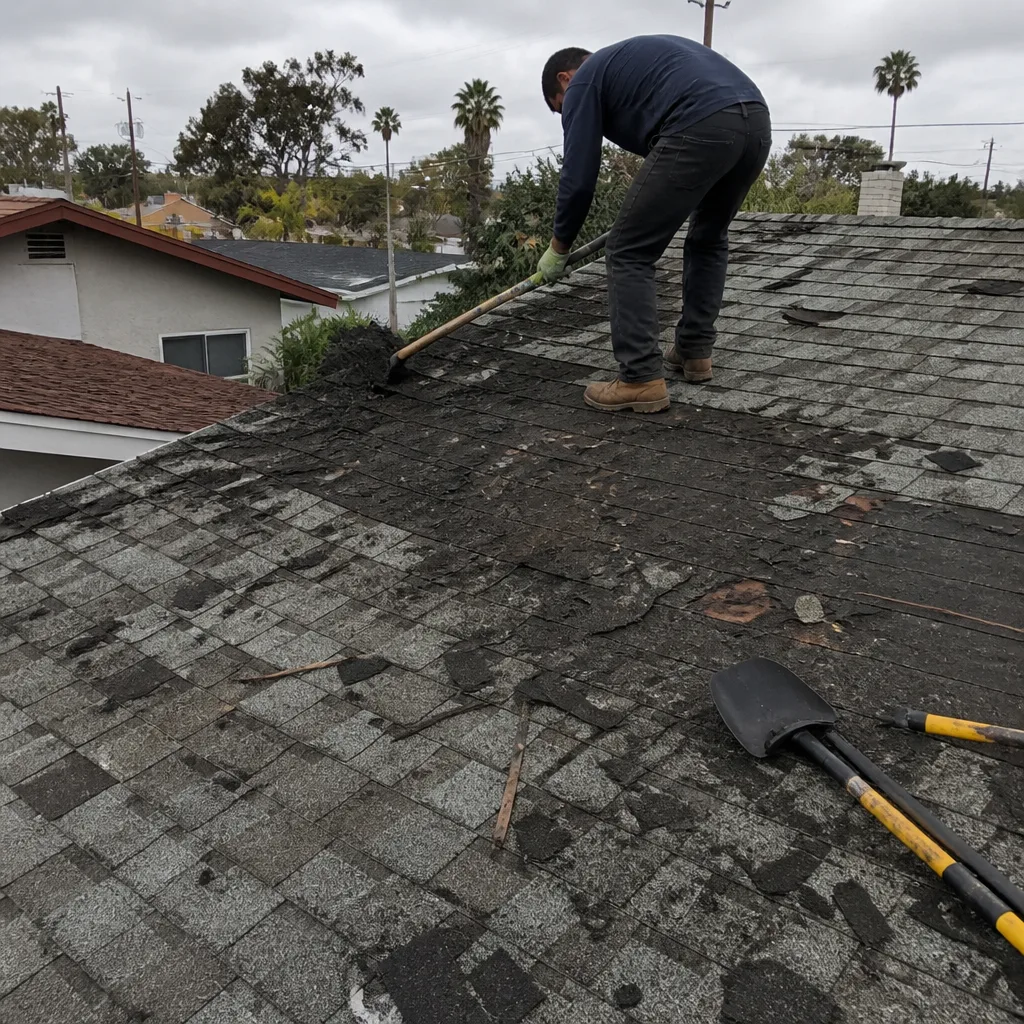 Before
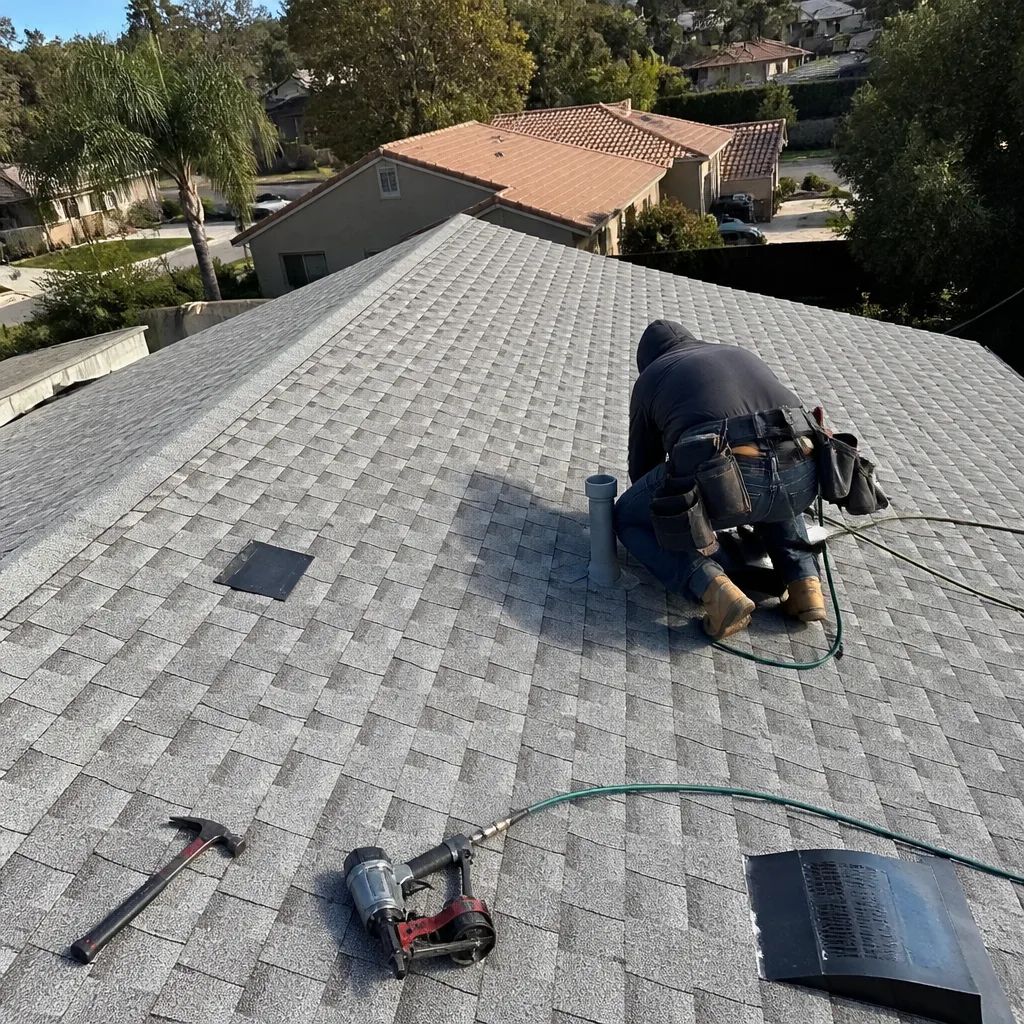 After
After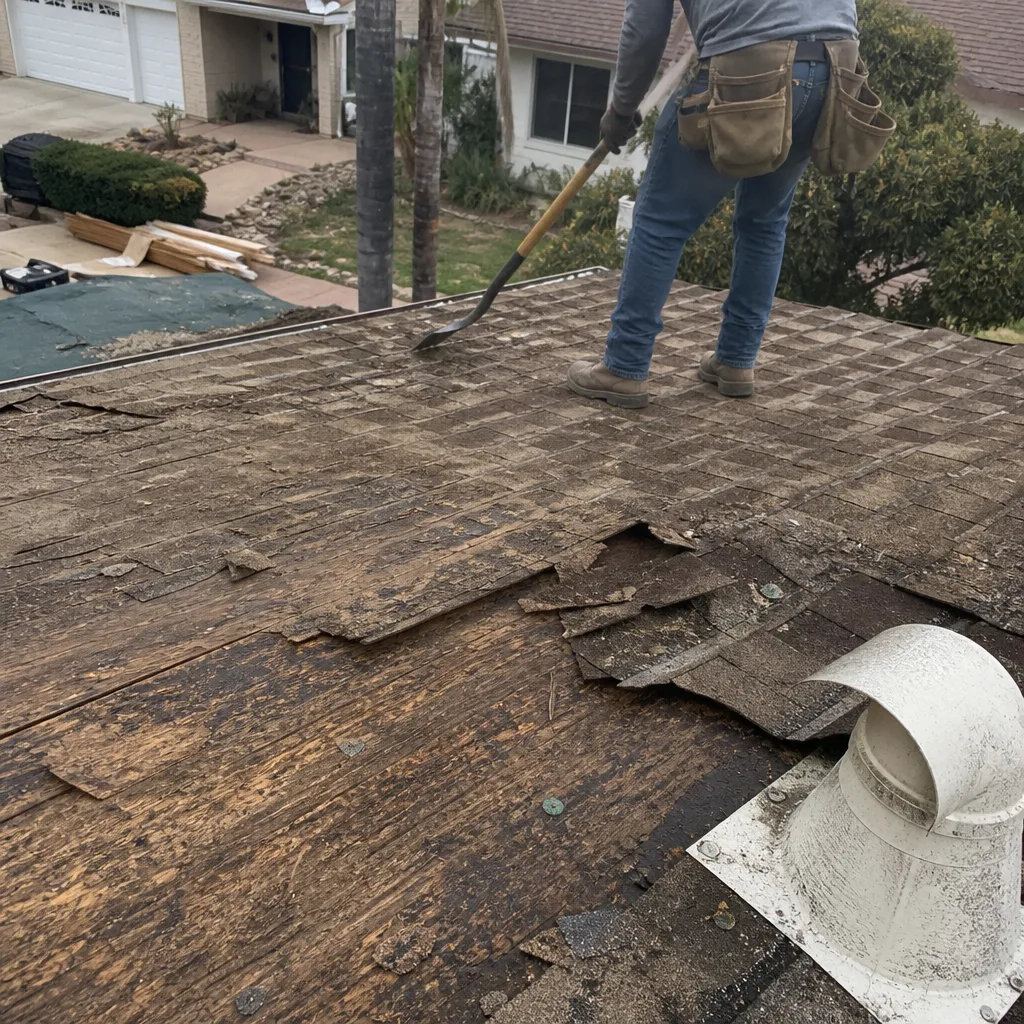 Before
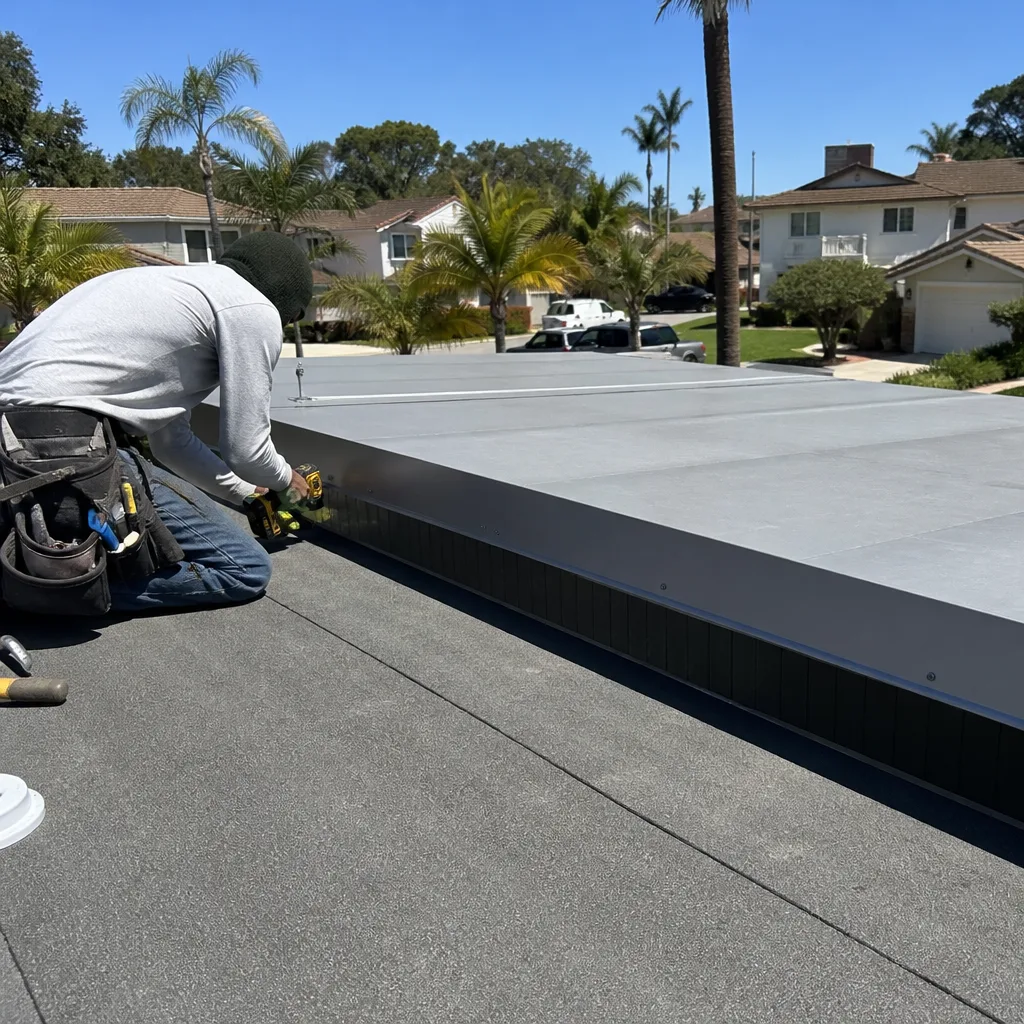 After
After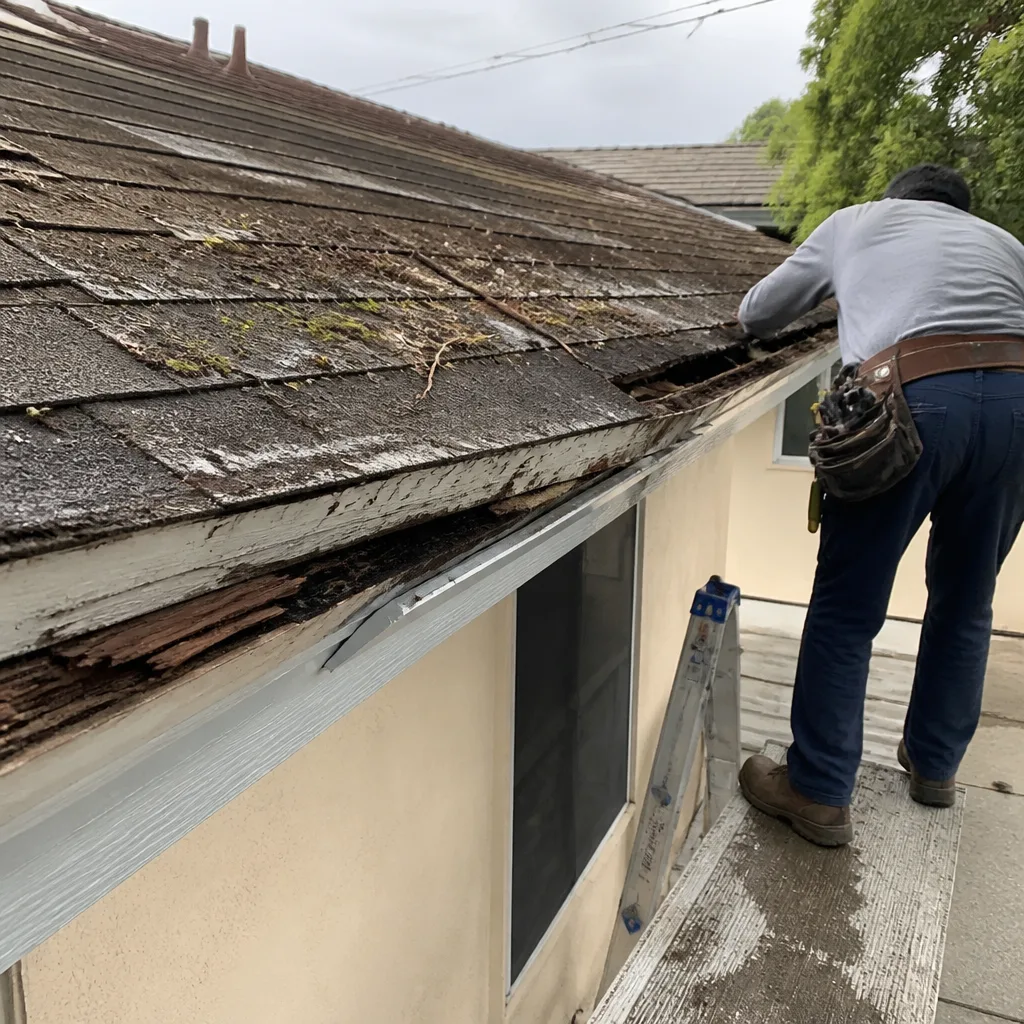 Before
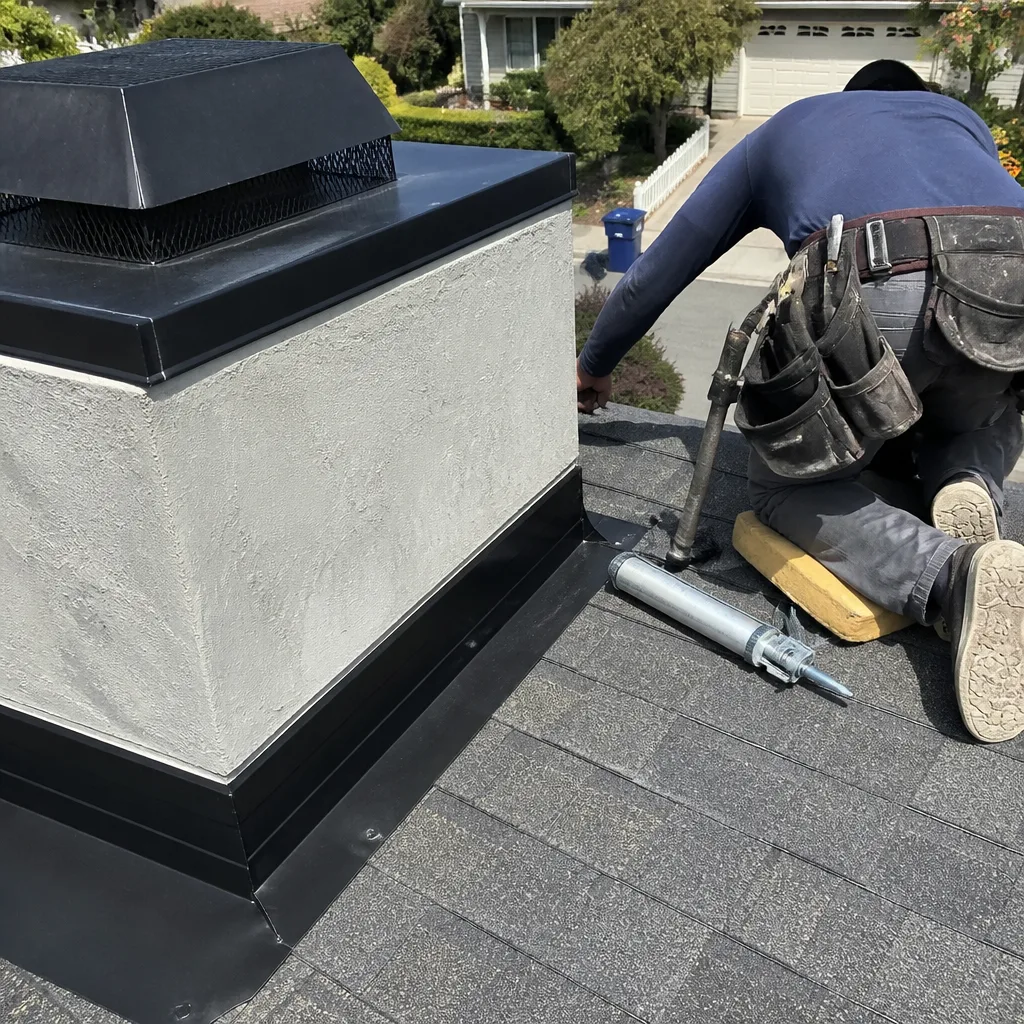 After
AfterFrequently Asked Questions
A full roof replacement in San Diego typically costs between $9,000 and $28,000 depending on the material: asphalt shingle replacements run $9,000 to $16,000, TPO flat roof systems run $12,000 to $20,000, and concrete tile replacements run $18,000 to $28,000 on a typical 2,000-square-foot home. Your exact price depends on roof size, pitch, decking condition, and the number of roof penetrations. Call (619) 810-5520 for a written quote specific to your home.
In San Diego, concrete tile roofs commonly last 40 to 50 years with underlayment replacement every 15 to 20 years. Flat TPO systems last 20 to 30 years with annual seam maintenance, and asphalt shingle roofs typically last 15 to 20 years, with UV exposure being the primary limiter. These numbers assume proper installation and ventilation; poor ventilation can cut asphalt shingle life by a third or more.
Yes, full roof replacements in the City of San Diego require a building permit, and the permit should be pulled by your contractor. A legitimate San Diego roofer will include permit fees in the written quote and handle the permit process as part of the job. Unpermitted work can complicate a future home sale and can result in corrected-work orders if discovered.
Concrete tile is the best all-around material for San Diego’s UV-driven climate, offering 40 to 50 year lifespan and inherent Class A fire resistance. For flat and low-slope roofs, a reflective cool-roof TPO system reduces attic heat and lowers cooling loads. For pitched roofs on a tighter budget, impact-resistant asphalt shingles from a manufacturer like GAF or CertainTeed offer the best asphalt performance under UV.
A legitimate San Diego roofer holds a C-39 license from the California Contractors State License Board, carries workers’ compensation and general liability insurance, and provides a local phone number answered by a human being. You can verify a license in 30 seconds at the CSLB website. Beyond that, ask whether the technicians who will show up are name-verified and background-checked, and whether you’ll receive their name and photo before the visit. For complete details, see our Roofing Company in San Diego page.
It should not, if the quote was written properly. Every material removal, every material installation, the underlayment, the flashing, the permit fees, and the per-sheet decking price should be itemized in writing before you sign. At Mercer Roofing Co San Diego, a written price is provided before any work starts, every time, with no surprises on the invoice. If the decking condition is unknown until tear-off, an honest quote states the per-sheet replacement price up front so you know exactly what a worst-case scenario costs.
The Bottom Line
San Diego roofing decisions should be driven by what actually damages roofs in this city: sustained UV radiation, marine salt air, and wildfire ember exposure. The right material, installed as a proper assembly with quality underlayment and flashing, lasts decades here. The wrong material, installed without attention to ventilation and fire rating, fails early and costs more over time. Every roofing decision starts with a written quote you can verify line by line, a licensed contractor who carries real insurance, and a company that treats your home as a place to be protected. For more guides & resources on protecting your San Diego home, visit our blog. That’s the standard, and it’s reasonable to expect it from anyone who works on your roof.
Written by Grant Whitlock, Owner at Mercer Roofing Co San Diego, serving San Diego since 2000.