
Last updated October 17, 2026
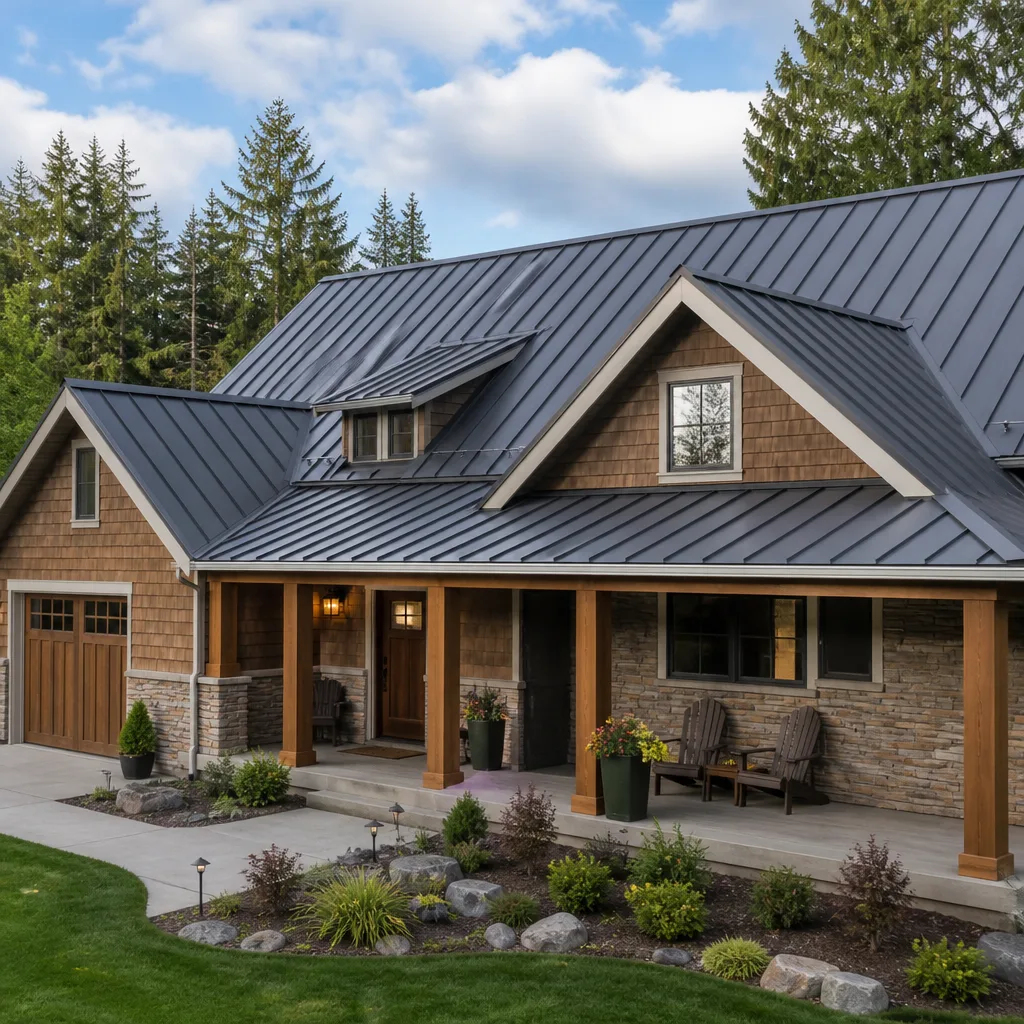 Metal roofing
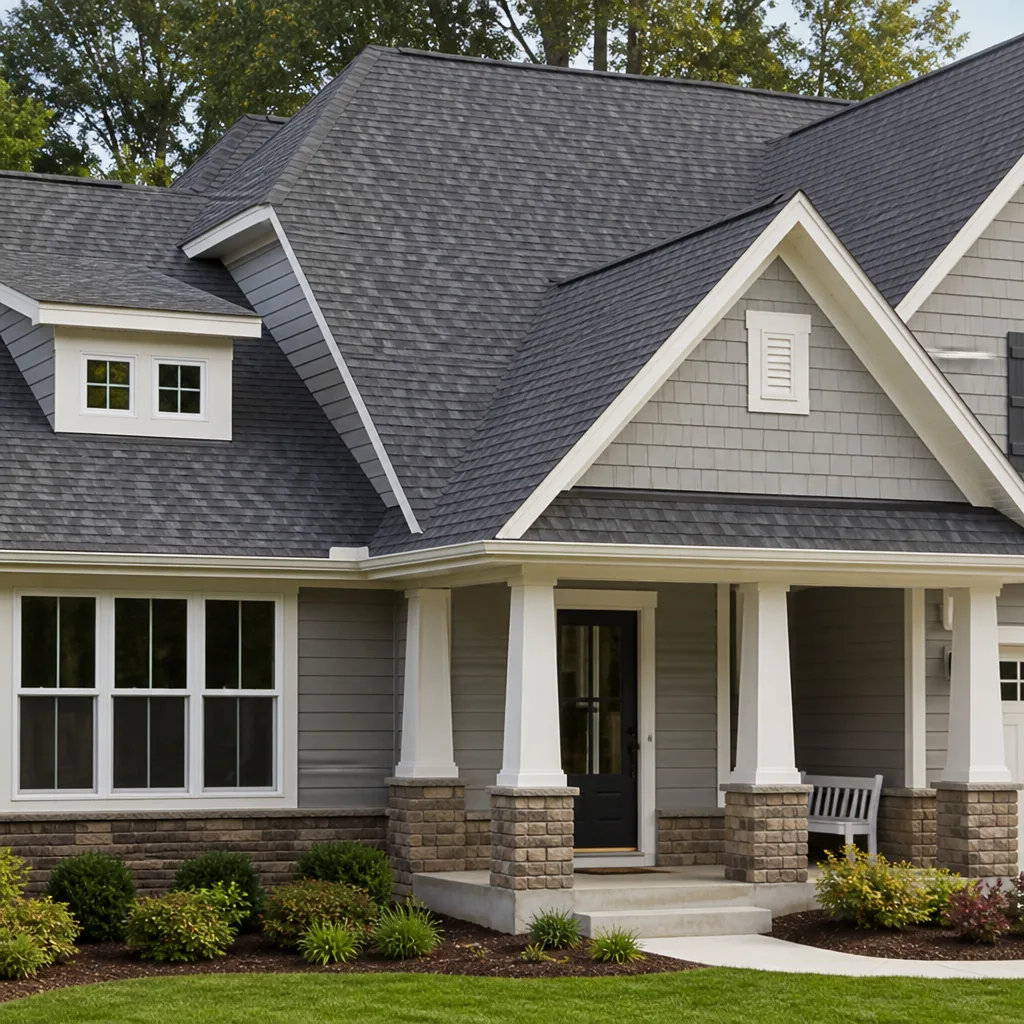 Architectural shingles
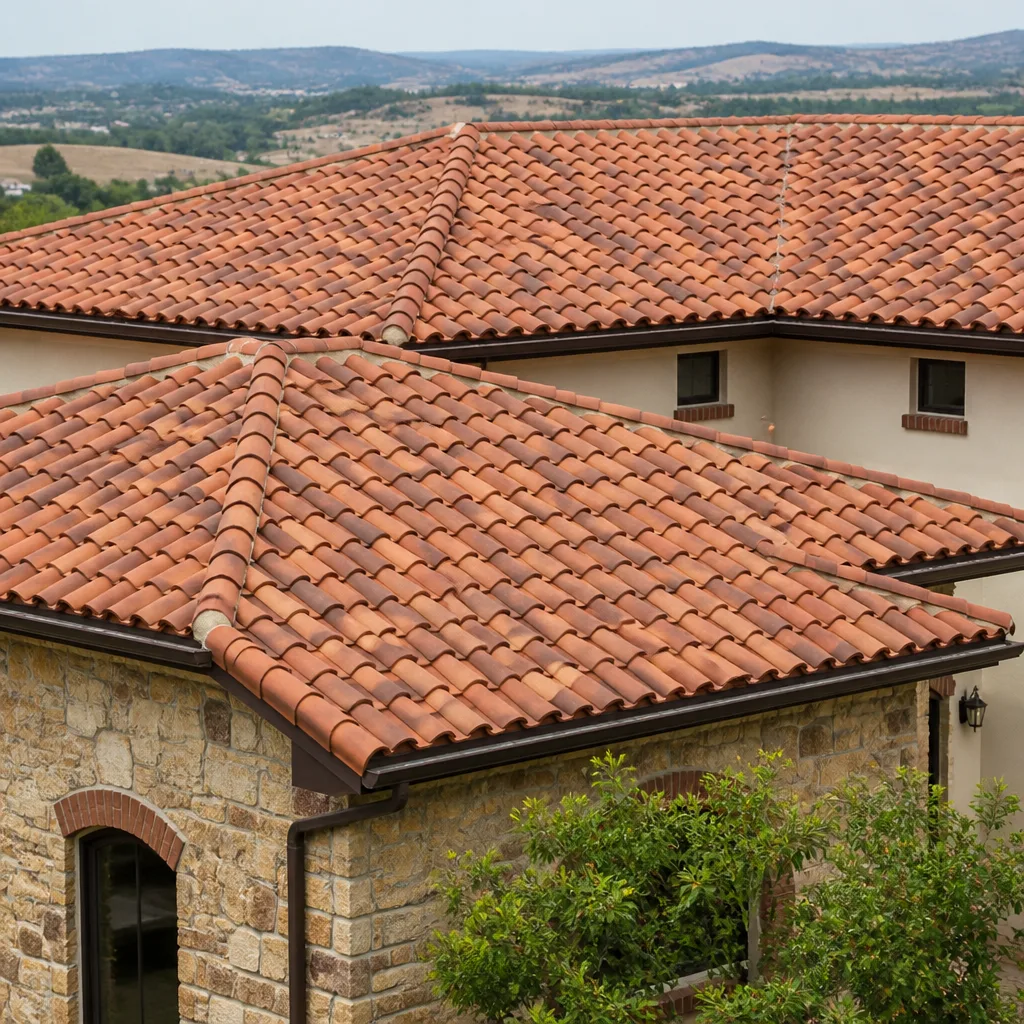 Tile roofing
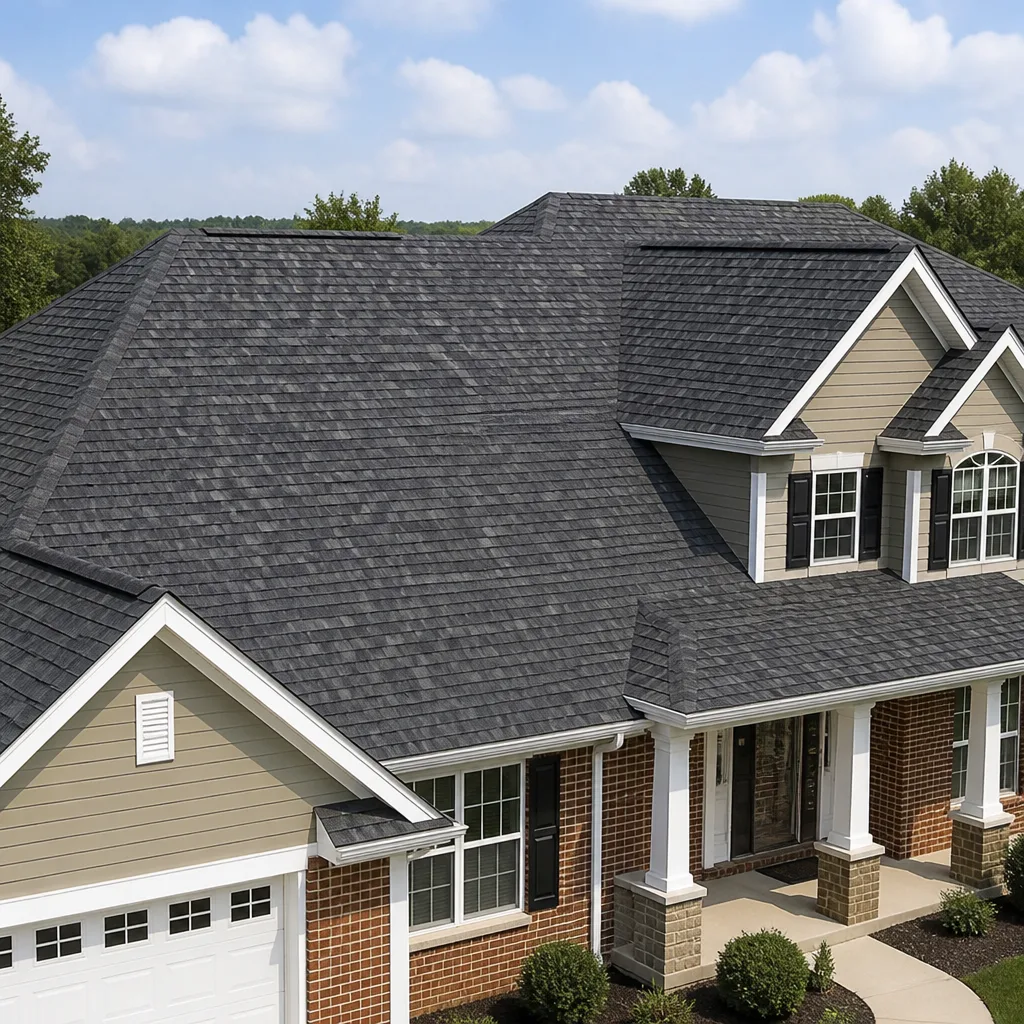 Owens Corning
Free roof inspection with deck photos before we talk money - GAF and Owens Corning certified installation
Roofing Permits, Codes & Inspections in CA: What You Need to Know
San Diego County assessors and escrow officers are increasingly flagging unpermitted roof replacements during home sales, and buyers’ lenders are requiring proof of permit closure before funding a loan. A $350 permit fee skipped in 2019 is becoming a $12,000 reroofing redo in 2025. This guide walks you through exactly when a roofing permit is required in San Diego, what inspectors look for at each stage, how Title 24 energy rules affect your material choices, and what to do if a previous owner never pulled a permit. For a broader look at the topic, see The Complete Guide to Roofing in San Diego.
Quick Answer
In San Diego, any roof project that involves replacing more than 25% of the roof area, changing the sheathing, or altering the roof structure requires a building permit from the City of San Diego Development Services Department. Minor repairs that cover less than 25% and don’t touch the structural deck typically don’t need a permit. A permit costs roughly $300 to $600 depending on project scope, and the work must pass two inspections: rough-in and final.
Styles & brands we work with
Table of Contents
- When a Roofing Permit Is Required in San Diego
- How Title 24 Cool-Roof Rules Affect San Diego Roofing Choices
- What a San Diego DSD Roofing Inspection Actually Covers
- What to Do If You Bought a Home With an Unpermitted Roof
- How to Confirm Your Contractor Actually Pulled the Permit
- What Roofing Permits Cost in San Diego in 2025
- Common Mistakes to Avoid
- When to Call a Professional
- Frequently Asked Questions
When a Roofing Permit Is Required in San Diego
San Diego adopts the California Building Code (CBC) with local amendments, and the trigger for a roofing permit comes down to two things: how much roof area you’re touching and whether you’re changing anything structural. Here’s the plain-English version.
The 25% rule. If your project involves repairing, recoating, or recovering more than 25% of the total roof area within any 12-month period, you need a permit. This comes from the California Existing Building Code, and San Diego enforces it strictly. A patch job on a small corner of a ranch home in Clairemont? No permit needed. A full tear-off and reroof on the same house? That’s a permit job, no question.
What counts as “more than repair.” The moment you’re replacing sheathing (the plywood or OSB decking under the shingles), changing the roof slope, adding skylights, or reframing any part of the roof structure, you need a permit regardless of square footage. In our experience across San Diego neighborhoods like North Park, La Mesa, and Chula Vista, we’ve seen homeowners assume a “simple re-roof” stays permit-free when the real scope includes decking replacement. It doesn’t.
What doesn’t need a permit. Replacing a few damaged shingles after a Santa Ana wind event, resealing flashing around a vent pipe, or patching a small section of rolled roofing on a flat roof are all considered minor repairs. No permit required, as long as the work stays under the 25% threshold and no structural component changes.
Why the city cares. Unpermitted roof work is a safety and liability issue. A roof that was reroofed without inspection may have hidden problems: improper nailing patterns, missing underlayment, or venting issues that cause premature deck rot. The permit process exists so a third-party inspector verifies the work meets current code, which protects you, your home’s resale value, and your insurance coverage.
How Title 24 Cool-Roof Rules Affect San Diego Roofing Choices
California’s Title 24 energy code requires cool-roof standards for most steep-slope residential roofs in climate zones 7 and 10, and almost all of San Diego falls into those zones. A cool roof reflects more sunlight and absorbs less heat than a standard roof, which keeps your attic cooler and reduces air-conditioning loads during San Diego’s long summer months. In practical terms, this means your shingle color and material choice matters for permit approval.
What “cool roof” means for shingles. Steep-slope cool roofs need a minimum aged solar reflectance of 0.20 and a thermal emittance of at least 0.75. Many manufacturers now produce shingles that meet this standard, including products from Owens Corning, GAF, and CertainTeed. In San Diego’s coastal climate, we’ve found that lighter colors like white, light gray, and driftwood shades generally meet the reflectance standard without any extra documentation. Darker shingles aren’t automatically disqualified, but you’ll need to verify the specific product meets Title 24 using the Cool Roof Rating Council (CRRC) directory.
The simpler path. The CRRC maintains a database of roofing products that are pre-approved as cool roofs. When your contractor selects a product from this list and notes it on the permit application, the plan review process gets faster. Some products from Atlas and IKO carry CRRC-listed cool-roof ratings specifically for Southern California climate zones. The alternative, showing compliance through energy modeling or a performance approach, adds time and cost to your project.
What happens if you skip this. If your contractor files a permit with a non-compliant product and no CRRC documentation, the permit gets flagged during plan review, and the city won’t issue the permit until you either change materials or provide the paperwork. We’ve seen this delay projects by weeks in San Diego, particularly in the hotter inland communities like Escondido and El Cajon where the energy savings from a cool roof are highest.
Where to check. You don’t need to take a contractor’s word for it. Search the CRRC Rated Products Directory yourself, filter by “steep slope” and “California Title 24 compliant,” and confirm the exact shingle your contractor quoted. If the product isn’t listed, ask for a written explanation before you approve the job.
What a San Diego DSD Roofing Inspection Actually Covers
A roofing permit in San Diego requires two inspections: a rough-in inspection and a final inspection. Both happen after the permit is issued and the work begins. Knowing what the inspector checks beforehand removes the anxiety from the process.
Rough-In Inspection: What Gets Checked
The rough-in inspection happens after the old roofing material is torn off but before the new shingles go on. The inspector is checking what’s underneath, because that’s the part that matters most for the life of your roof.
- Decking condition and thickness. The inspector verifies the sheathing meets minimum thickness requirements for the rafter spacing. If the deck is rotted, delaminated, or thinner than code requires, it has to be replaced before the inspector signs off.
- Underlayment installation. San Diego requires a specific underlayment type depending on your roof pitch. Steep-slope roofs need at least one layer of ASTM D226 Type II felt or a synthetic equivalent. The inspector checks that it’s properly lapped and fastened.
- Flashing at penetrations and transitions. Every pipe boot, chimney, skylight, and valley needs proper flashing. This is where most roofing failures start, so inspectors look closely at the details.
- Ventilation and attic access. The inspector confirms the roof has adequate ventilation, which in San Diego’s coastal humidity is especially important for preventing mold and deck rot.
Final Inspection: What Gets Checked
The final inspection happens after the shingles are installed and the job is complete. The inspector is checking the finished surface and the overall workmanship.
- Shingle installation and nailing pattern. The inspector verifies the shingles are installed per manufacturer specifications, including proper exposure and nail placement. A common red flag is overdriven nails that tear the shingle surface.
- Ridge caps and hip caps. The inspector checks that ridge and hip lines are properly capped and sealed, with no exposed fasteners.
- Drip edge installation. San Diego code requires drip edge flashing at all eaves and rakes. Missing drip edge is one of the most common final-inspection failures we see.
- Site cleanup and debris removal. The inspector verifies that old roofing material and fasteners have been removed from the property. Nails left in the yard or driveway are a hazard and will likely get the job red-tagged.
If either inspection fails, the inspector issues a correction notice listing exactly what needs to be fixed. The contractor fixes it, and the inspector returns for a re-inspection – which typically costs a small fee. A reputable roofing company in San Diego handles all of this scheduling and communication for you, so you’re not tracking down the inspector yourself.
What to Do If You Bought a Home With an Unpermitted Roof
This is becoming more common in San Diego as the real estate market exposes shortcuts from previous decades. Maybe you bought the house in 2019 from a seller who “had the roof done” by a friend-of-a-friend, and now you’re discovering there’s no permit on file with the city. Here’s the path forward.
Step 1: Confirm Whether There’s Actually No Permit
Start by checking the City of San Diego’s Open DSD portal. Search by your address and pull up the permit history. If no roofing permit shows up and you know the roof was replaced after the mid-1990s, it’s almost certainly unpermitted. You can also call or visit the DSD office directly.
Step 2: Get a Professional Assessment
Before you do anything with the city, have a qualified roofer assess the current condition of the roof. Unpermitted work isn’t automatically bad work, but it’s also not something you want to assume is fine. A roofer will check for code compliance issues, confirming fastener patterns, underlayment presence, flashing details, and ventilation. Learn what to watch for in our Roofing Warning Signs: A San Diego Homeowner’s Reference Guide. If the roof is in good shape, step 3 is easier. If it’s failing, you’re looking at a repair or replacement anyway, and the permit question becomes secondary to the actual condition.
Step 3: Pursue a Retroactive Permit
San Diego allows retroactive permits through the DSD’s “as-built” process. You file a permit application noting that the work already exists, and an inspector comes out to evaluate the roof against current code. If the roof passes, the permit gets closed and your home now has a clean permit history. If it fails, you’ll need to correct the deficiencies before the permit closes.
What a retroactive permit costs. Expect to pay the standard permit fee, which for a residential reroof in San Diego is typically in the $300 to $600 range, plus any re-inspection fees. You may also need to pay a plan review fee if the scope triggers plan review. In our experience across San Diego County, the total for a retroactive permit on a typical single-family home runs $500 to $900 when everything goes smoothly.
The hidden cost of ignoring it. The expensive scenario isn’t the permit fee. It’s what happens when you go to sell and the buyer’s lender requires permit closure. A roof that fails inspection at that point can mean a $12,000 reroof under time pressure, a price reduction, or the deal falling through entirely. We’ve watched this play out in neighborhoods across San Diego, from Point Loma to Rancho Bernardo. The $500 retroactive permit is cheap insurance.
How to Confirm Your Contractor Actually Pulled the Permit
Any contractor can say “we’ll handle the permit.” What matters is whether the permit actually exists in the city’s system under your property address before work starts. Here’s how to verify it in five minutes.
- Ask for the permit number before signing the contract. A legitimate contractor will include the permit application or number in the contract documents. If they can’t produce one, that’s a red flag.
- Check the City of San Diego’s Open DSD portal. Search your address. If the permit is active, you’ll see it listed with the scope of work, the contractor’s name, and the status. It takes five minutes online.
- Verify the contractor’s name matches. The permit should be pulled by the contractor’s company name, not a homeowner permit. Some contractors try to have the homeowner pull the permit to avoid liability and insurance requirements. That’s a problem, because a homeowner permit means you’re legally the one responsible for code compliance, and your contractor’s insurance may not cover the work.
- Confirm the scope matches the contract. The permit should describe the same work that’s in your contract. A permit for “roof repair, 200 sq ft” when you’ve contracted a full reroof is a mismatch that can cause inspection failures later.
- Check the inspection card is posted on site. Once work begins, the approved permit and inspection card should be visibly posted on or near the job site. In San Diego, inspectors will look for this.
At Mercer Roofing Co San Diego, we pull the permit ourselves on every job that requires one, and we include the permit number in your contract documents before work begins. We want homeowners to verify. A contractor who’s uncomfortable with you checking is a contractor you probably shouldn’t have on your roof.
What Roofing Permits Cost in San Diego in 2025
Permit fees in San Diego are based on the valuation of the work, but for most residential roofing projects they land in a predictable range. Here’s what to expect on a typical single-family home.
| Permit Type | Typical Cost Range | Notes |
|---|---|---|
| Minor roof repair permit (under 25% threshold) | Not required | No permit fee, but verify you’re truly under the threshold |
| Reroof permit (full replacement, no structural changes) | $300 – $600 | Includes plan review and inspection fees |
| Reroof with decking replacement | $400 – $700 | Additional structural review may be required |
| Retroactive permit (unpermitted roof discovered later) | $500 – $900 | Includes standard fees plus documentation requirements |
| Re-inspection fee (after a failed inspection) | $150 – $250 | Varies by DSD schedule |
These are San Diego-specific ranges based on what we’ve seen on permits for homes across the city, from coastal communities to inland valleys. Your exact fee depends on the project’s declared valuation and the specific permit path the city assigns. The permit fee is separate from any contractor labor or material costs, so make sure your written estimate clearly identifies the permit cost as a line item.
Common Mistakes to Avoid
- Assuming “repair” means “no permit.” The city doesn’t care what you call the project. If the work covers more than 25% of the roof area, it’s a permit job even if your contractor calls it a “large repair.”
- Letting the homeowner pull the permit. When the homeowner pulls the permit, the liability for code compliance shifts to you, and the contractor’s insurance may not cover the work. Always have the contractor pull the permit under their license.
- Using non-compliant roofing products. Installing shingles that don’t meet Title 24 cool-roof standards in San Diego will stall your permit at plan review. Verify the product in the CRRC directory before you approve anything.
- Skipping the rough-in inspection. Some contractors try to rush from tear-off to shingles without scheduling the rough-in inspection. If shingles are installed before the inspector sees the deck and underlayment, the inspector can require a tear-off to verify what’s underneath.
- Ignoring an unpermitted roof from a previous owner. “It’s been fine for years” doesn’t protect you when a buyer’s lender wants proof of permit closure. The retroactive permit path is relatively affordable and much cheaper than a failed escrow.
- Paying for the full job before inspections pass. Final payment should be tied to the final inspection sign-off. A contractor who demands full payment before inspections are complete is a red flag.
- Not checking the permit in the city’s portal. Verbal assurances don’t count. Check the Open DSD portal before work starts and confirm the permit is active under your address.
When to Call a Professional
If you’re planning a roof replacement, repairing damage that covers more than a quarter of your roof, or buying or selling a home with a murky permit history, this isn’t the place to wing it. A licensed contractor who understands San Diego’s specific permitting requirements will handle the paperwork, schedule the inspections, and stand behind the work if something doesn’t pass. That’s what separates a smooth project from a stressful one. Roof repair in San Diego doesn’t have to be a maze of city requirements, but it does need to be done correctly. If you’re unsure whether your project needs a permit, or you’ve discovered a past roof was never permitted, roof installation in San Diego starts with understanding what the city requires before a single shingle comes off. Mercer Roofing Co San Diego home offers free estimates in San Diego. Call (619) 810-5520 and we’ll help you figure out exactly what your project needs, including whether a permit is required and what it will cost.
Frequently Asked Questions
A reroof permit in San Diego typically costs between $300 and $600 for a standard single-family home replacement, with retroactive permits running $500 to $900 depending on what documentation the city requires. Call (619) 810-5520 for an exact quote on your project – estimates are free.
No. In San Diego, any reroof covering more than 25% of the roof area or involving structural changes requires a permit regardless of who does the work. Homeowner labor doesn’t exempt you from the permit requirement, and a homeowner-pulled permit shifts code compliance liability to you personally.
The city can issue a stop-work order, require a retroactive permit, and in some cases require portions of the work to be removed for inspection. If you’re selling, a lender may also refuse to fund the buyer’s loan until the permit is closed, which can force a reroof under time pressure.
Insurance companies can and do deny water-damage claims when they discover the roof was replaced without a permit, arguing that unpermitted work creates an undisclosed risk. In San Diego, where water intrusion from coastal moisture and Santa Ana wind-driven rain is common, this denial can leave you with a five-figure repair bill on top of a roof that needs fixing.
A simple reroof permit with a compliant product is typically issued within 1 to 3 weeks. Permits requiring plan review or non-standard materials can take longer. The inspection schedule depends on DSD inspector availability, which varies by season and district. Call (619) 810-5520 for a current timeline estimate.
Yes, if the area being replaced exceeds 25% of the total roof. A full shingle replacement is always a permit job in San Diego. The permit covers the tear-off, underlayment, flashing, and shingle installation regardless of whether the decking stays in place.
The Bottom Line
Roofing permits in San Diego aren’t red tape. They’re documented proof that your roof meets current code, which protects your insurance coverage, your home’s resale value, and the structural integrity of the house itself. A few hundred dollars in permit fees protects you from the escalating cost of retroactive permits, failed inspections, and escrow complications later. Before you sign any roofing contract, verify the permit exists in the city’s system under your address, confirm your contractor pulled it under their license, and check that the materials meet Title 24 cool-roof requirements. If a previous owner skipped the permit, address it now. Browse more guides & resources to protect your home. The $500 fix beats the $12,000 surprise at closing.
Written by Grant Whitlock, Owner at Mercer Roofing Co San Diego, serving San Diego since 2000.
See the difference
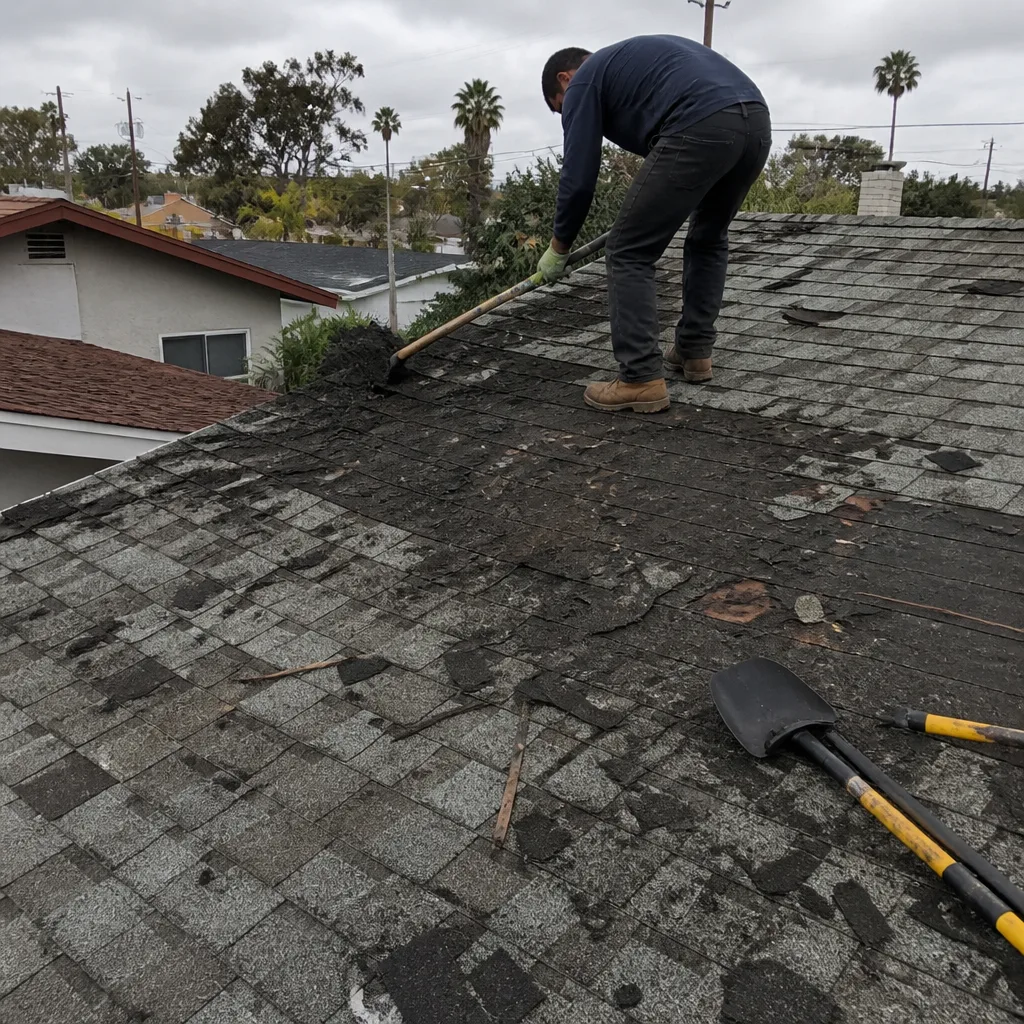 Before
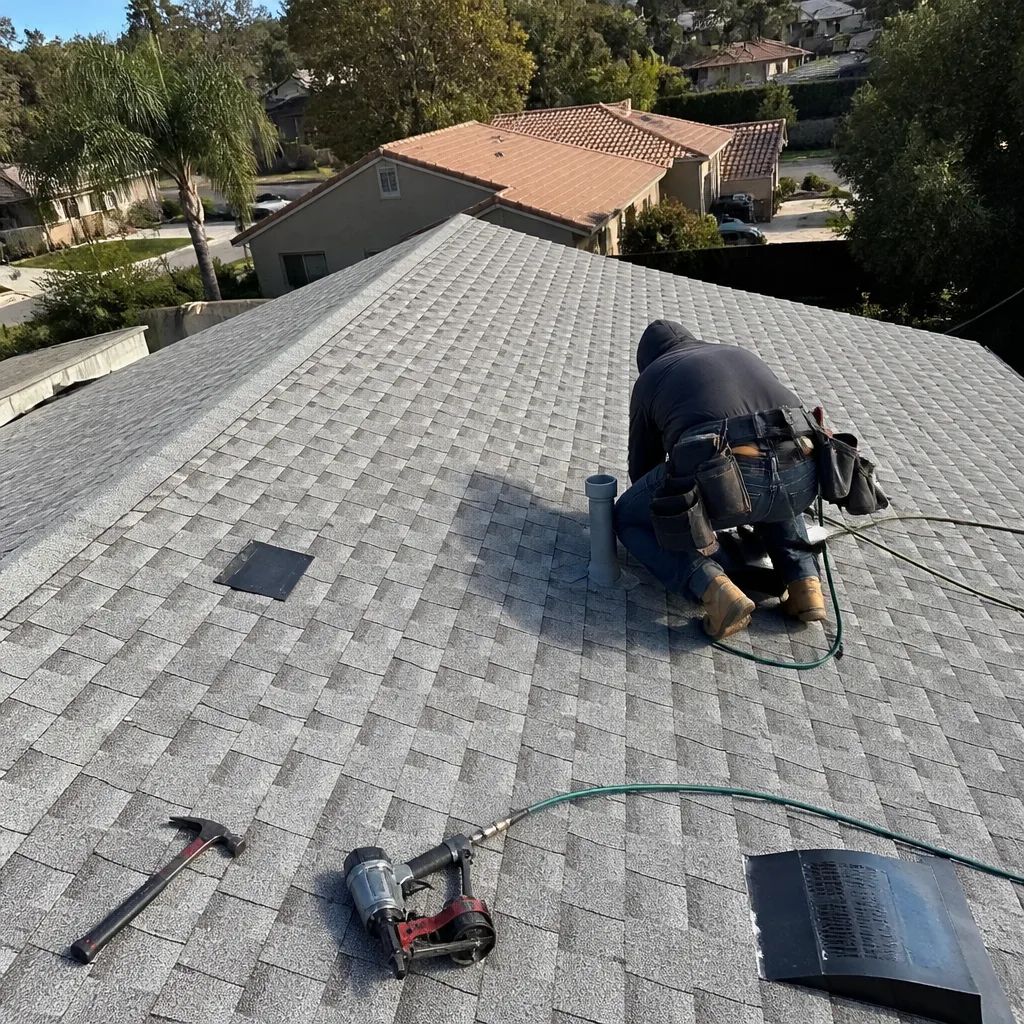 After
After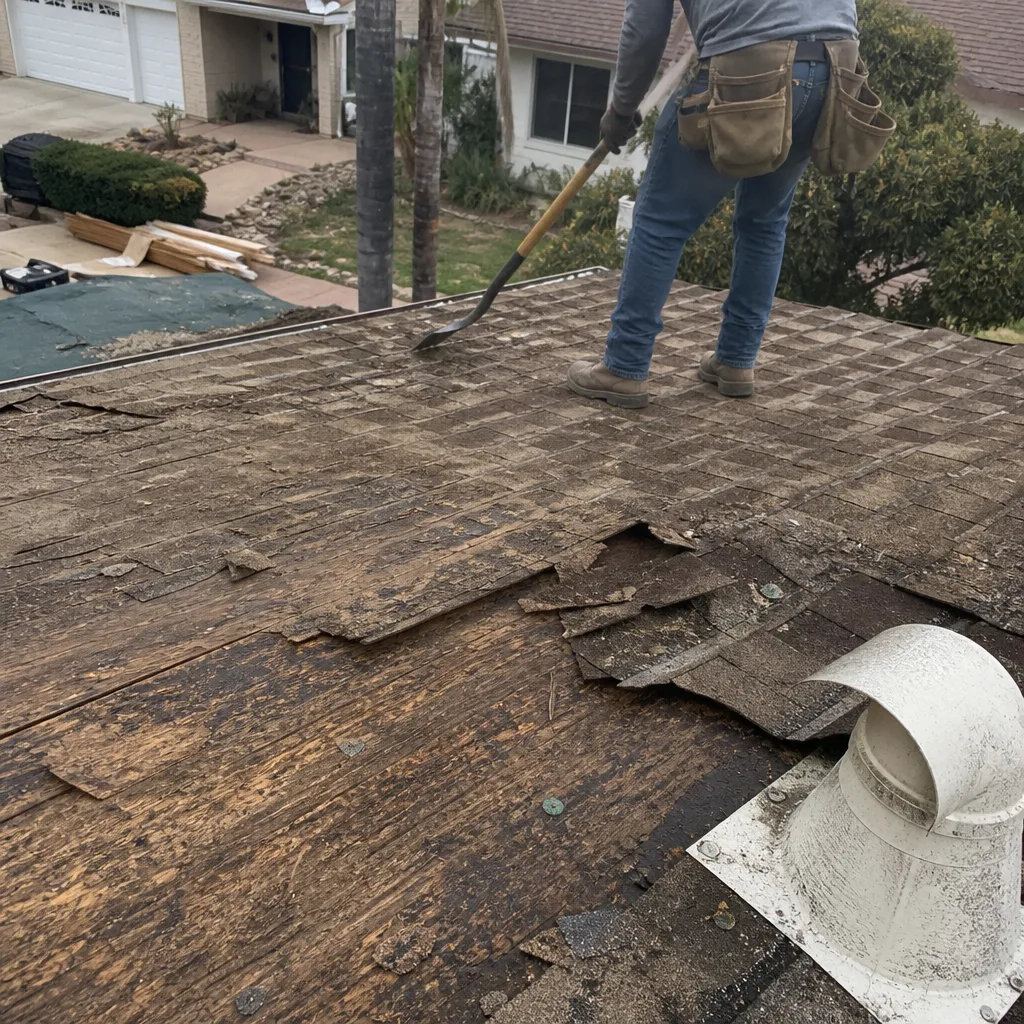 Before
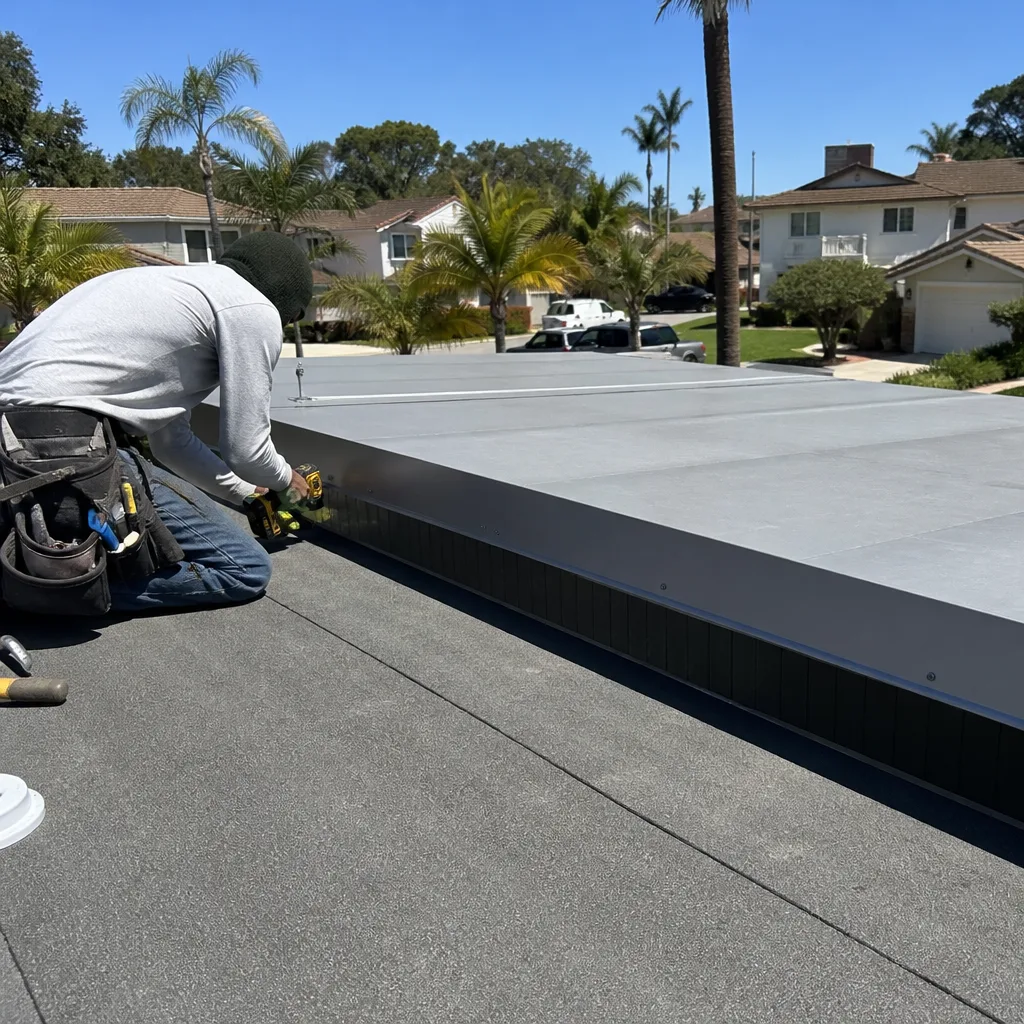 After
After Before
 After
After