
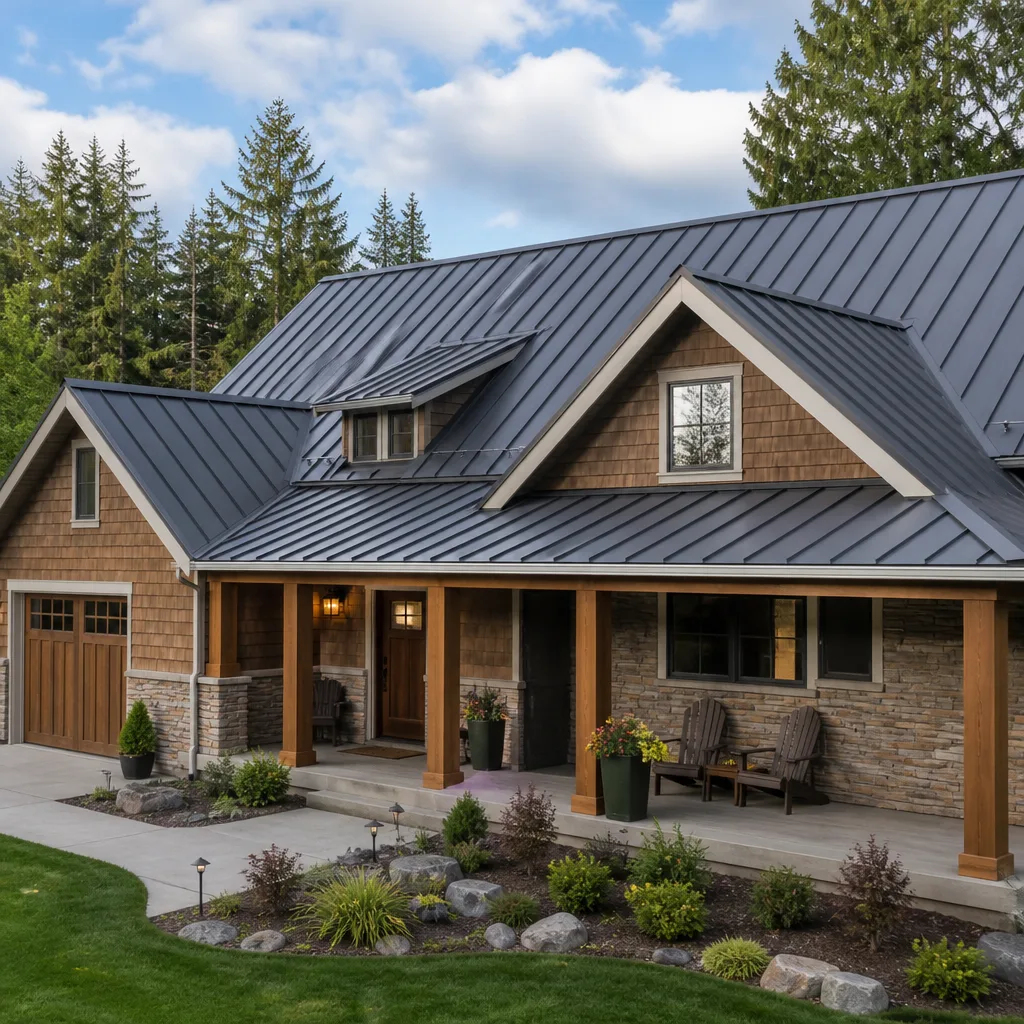
 Metal roofing
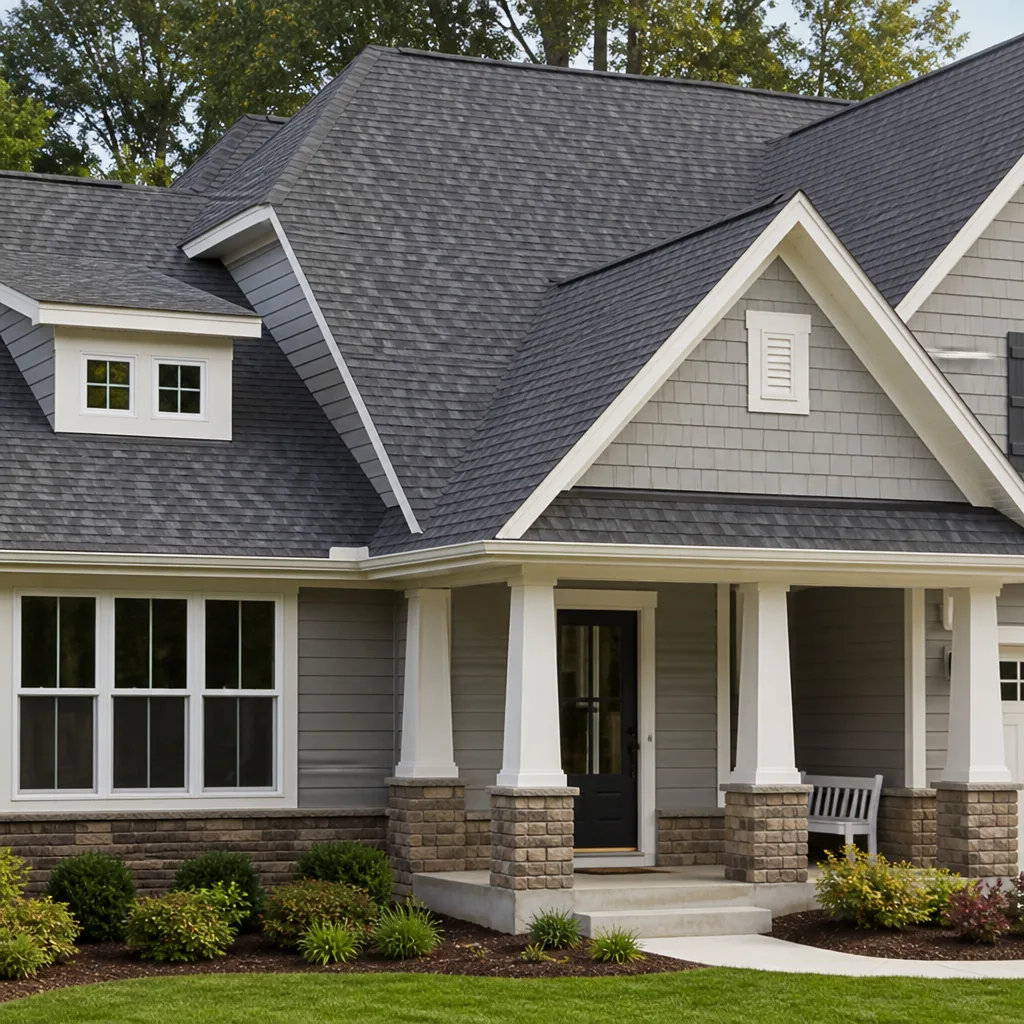 Architectural shingles
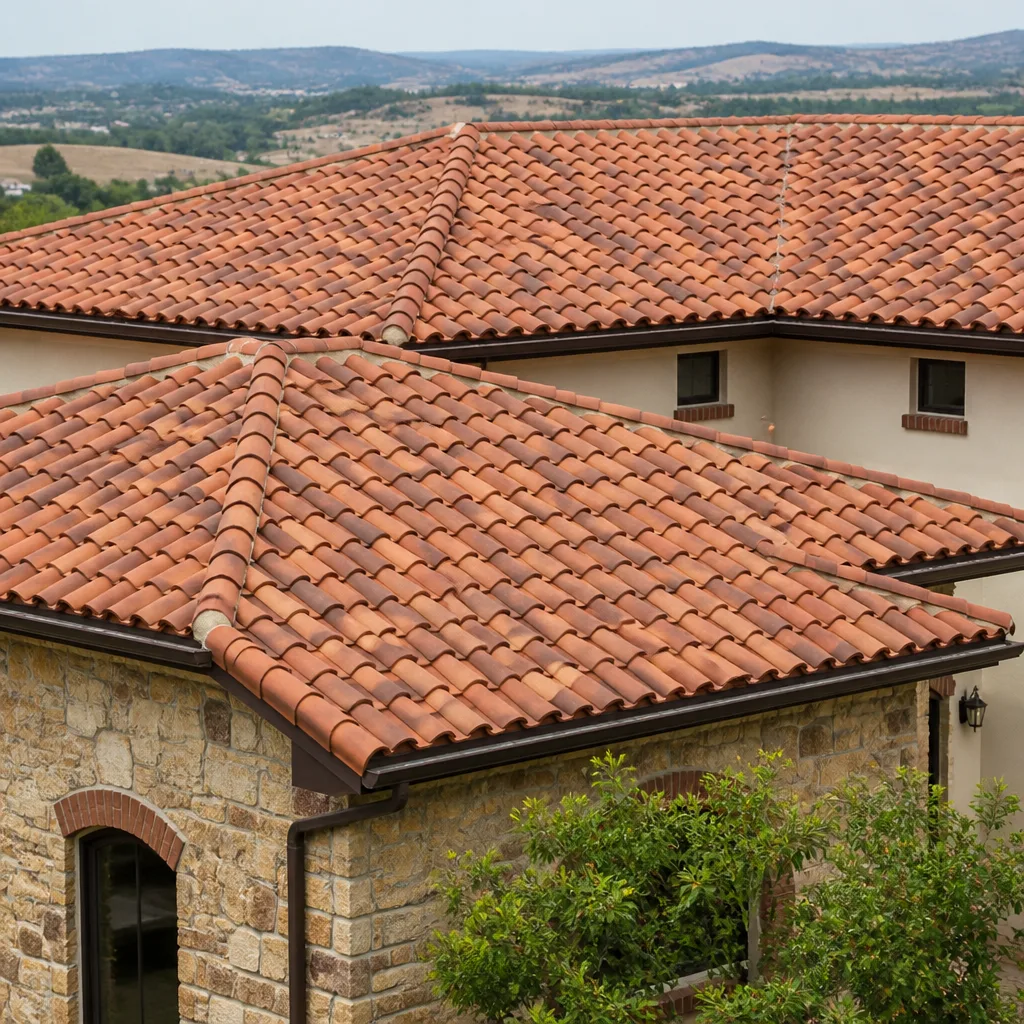 Tile roofing
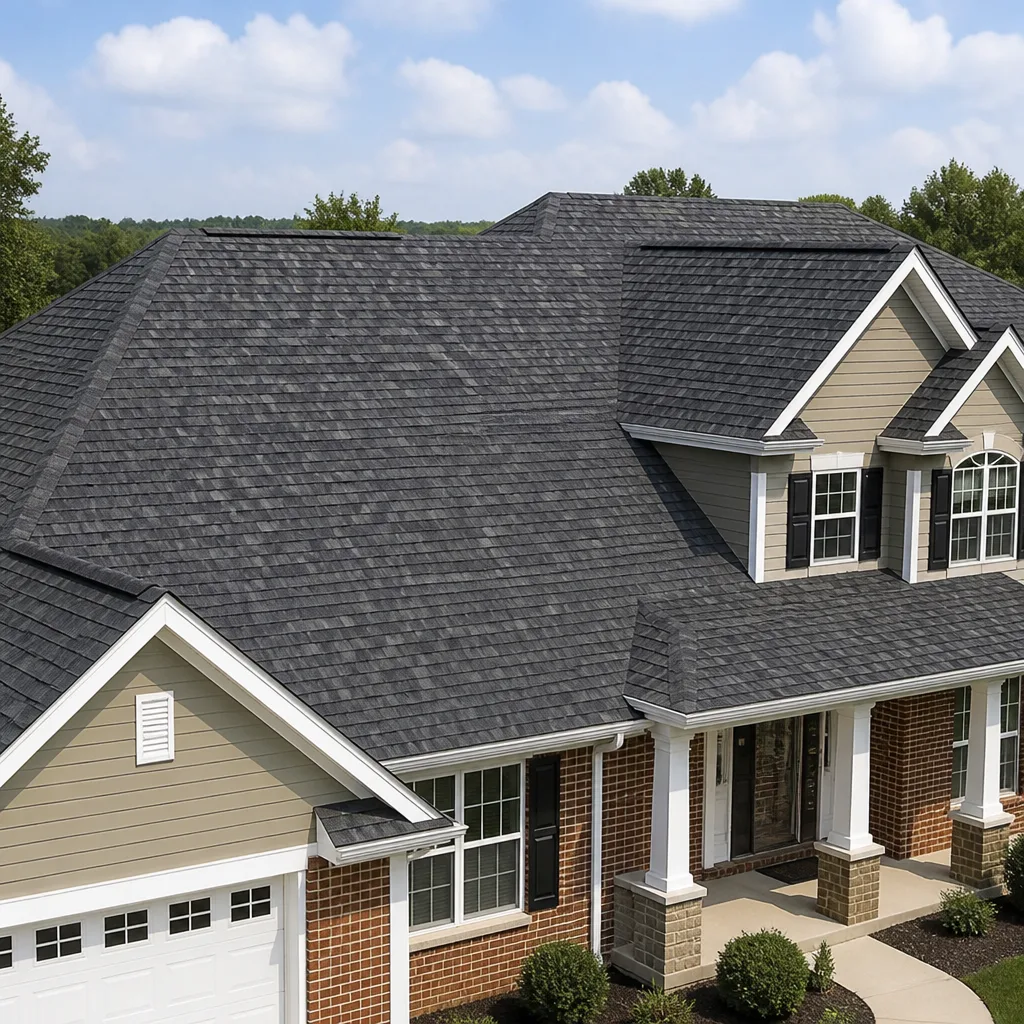 Owens Corning
Free roof inspection with deck photos before we talk money - GAF and Owens Corning certified installation
Boral Flashing Replacement: The San Diego Owner’s Guide
Boral flashing replacement in San Diego typically costs $285 – $640 installed, depending on how much flashing is failing and whether the underlying decking needs repair. We stock Boral-compatible flashing parts on our trucks and can usually complete the swap in a single visit once we’ve matched the correct profile to your roof. Most homeowners discover the problem the hard way: a brown stain on the ceiling after the first real rain in November, or a call from a neighbor pointing at a lifted corner of flashing near the chimney. Boral tile roofs are known for their longevity, but the flashing around penetrations, valleys, and sidewalls wears out long before the tile itself does. In San Diego’s coastal air, that wear happens faster than most people expect.
We’re Mercer Roofing Co San Diego, and we’ve been replacing failed flashing on Boral roofs across this city for the better part of two decades. Grant Whitlock, our owner, walks every flashing job himself before a single nail goes in. That’s not a sales pitch; it’s just how we work.
Which Boral Models This Applies To
Boral manufactures several tile profiles, and each one has slightly different flashing requirements at the edges and penetrations. The most common profiles we see in San Diego are the flat shake, the barrel mission, and the slate-look profiles. The flashing itself is generally standard galvanized steel, copper, or lead in 26-gauge through 30-gauge, but the way it’s cut, bent, and stepped depends on the tile profile and the roof pitch. The compatibility gotcha many homeowners run into: sidewall flashing for a Boral flat profile won’t seat correctly on a barrel profile, because the step height and the way the tile overlaps the flashing leg are different. If someone installs the wrong profile flashing, the tile sits proud of the wall, water finds the gap, and you’re back to square one in a season.
If you can still see the original Boral installation paperwork, look for the profile name. If not, we can identify it from a photo or a quick visit. We install OEM Boral flashing when it’s available and the roofing system is still under warranty, and we also use high-grade aftermarket flashing that matches or exceeds the original gauge and coating. For most San Diego homes, a 26-gauge galvanized or a pre-painted steel flashing will last 15 – 25 years, and copper flashing, which we use less often these days, can go 40 or more if installed correctly. We stock standard step flashing, pipe boot flashing, and valley flashing on our trucks, which means the common repairs don’t wait on a parts order.
One note for full transparency: Mercer Roofing Co San Diego is an independent roofing contractor. We are not affiliated with Boral, and we don’t claim to be. We just install and repair Boral roofs often enough to know the flashing profiles inside and out.
Styles & brands we work with
Signs Your Boral Flashing Replacement Is Failing
- Water stains on ceilings or walls after rain. This is the most common first signal. Flashing that’s pulled away from a chimney or sidewall lets water travel behind the tile and follow the underlayment until it finds a seam, a nail hole, or a decking joint, and from there it drips into the living space. By the time the stain shows, the flashing has usually been compromised for a season or more.
- Lifted, curled, or missing flashing at a roof-to-wall junction. In San Diego, the marine layer and the occasional Santa Ana wind work on flashing like sandpaper. Step flashing especially can lift when the nails holding each step corrode or the caulk seal fails. If you can see daylight between the flashing and the wall, water is already getting through.
- Granular rust or white corrosion on the metal. Galvanized flashing has a zinc coating that eventually sacrifices itself. Once that coating goes, the base steel starts rusting. In coastal neighborhoods like Point Loma or La Jolla, we see flashing rust through five to ten years faster than inland, simply because of the salt in the air.
- Debris dams or moss packing behind the flashing leg. Boral tile roofs shed most debris, but in the valleys and behind chimney flashing, leaves and grit build up at the transition points. That trapped debris holds moisture against the flashing and accelerates corrosion. The flashing itself may still be intact, but the seal is compromised by the constant damp.
- Crumbling or cracked sealant around pipe boots and vents. The rubber boot around plumbing vents and the caulk at flashing edges degrade in San Diego’s UV-heavy sunlight. When the caulk fails, the metal can still look fine from the ground, but the water is getting between the flashing and the tile. This is the one we most often find during a roof tune-up, before the leak has even made it to the ceiling.
See the difference
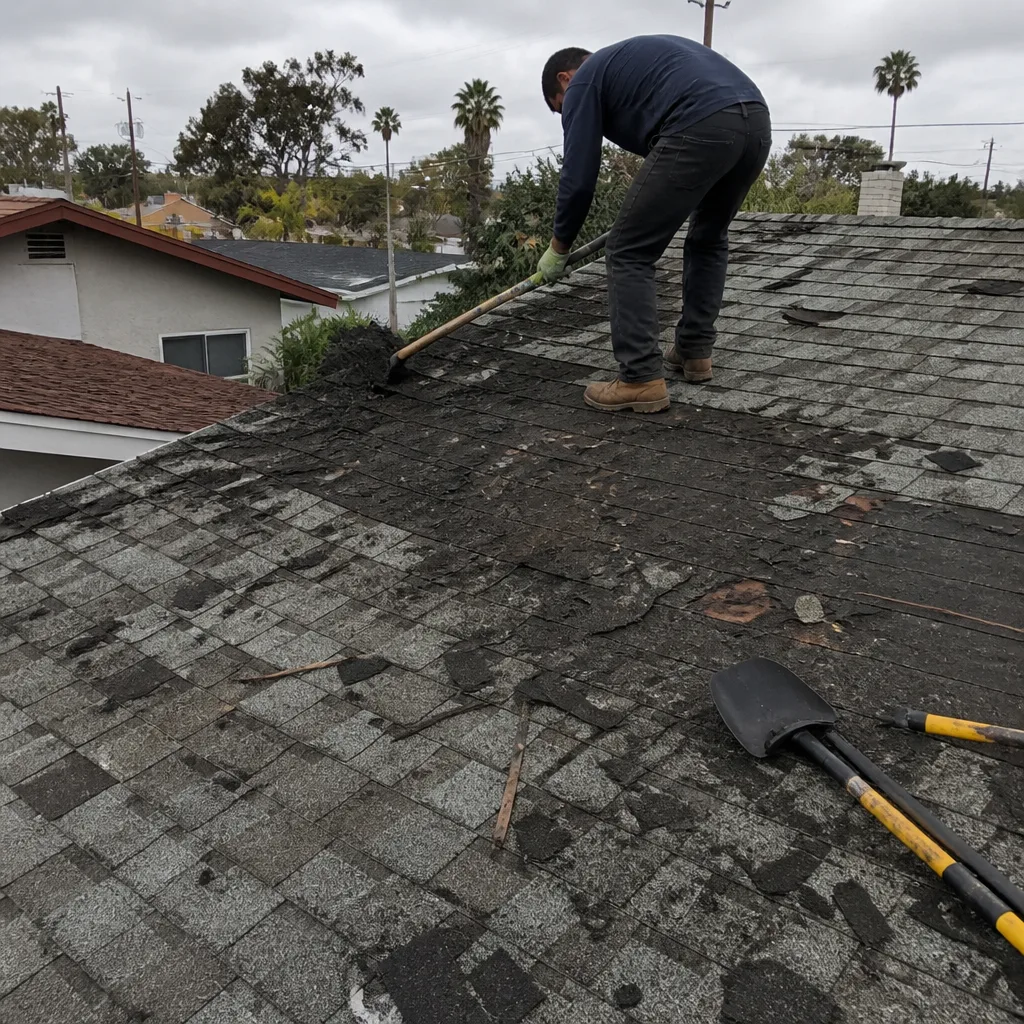 Before
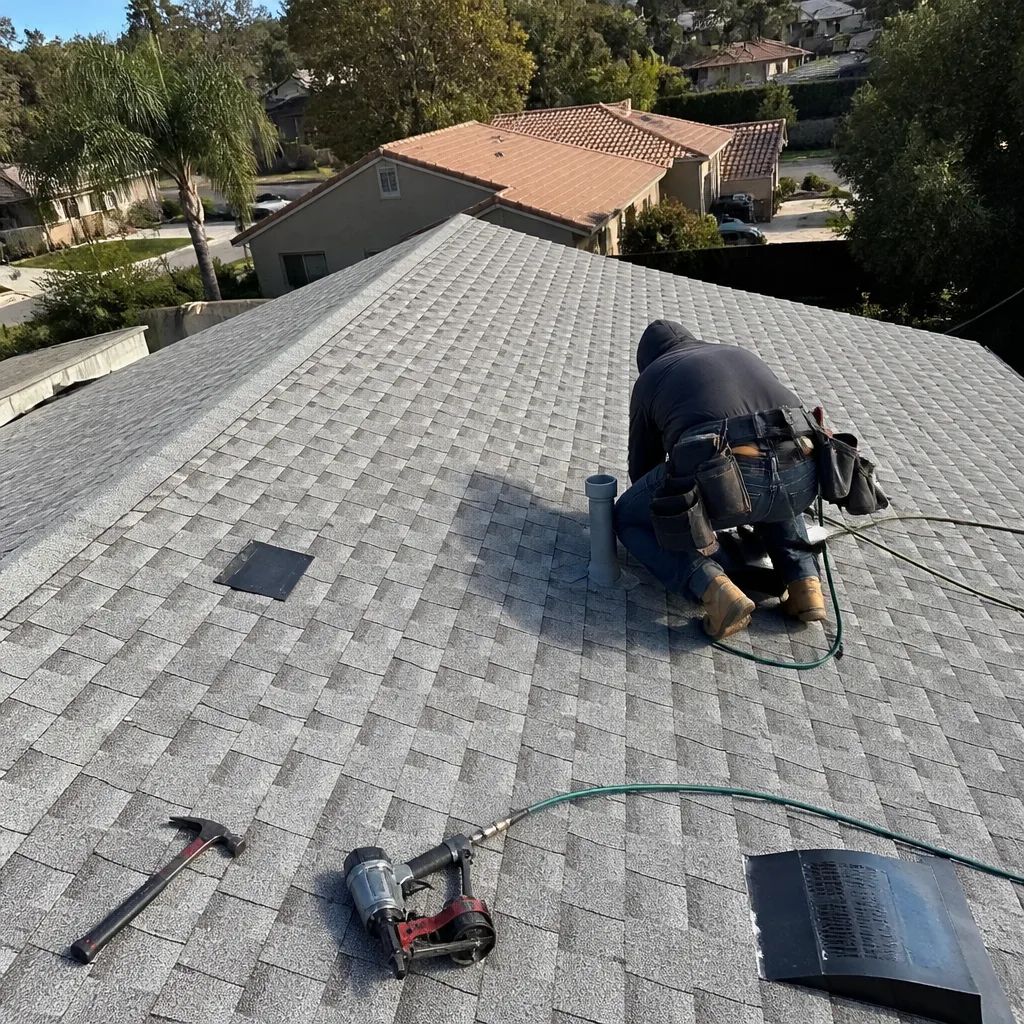 After
After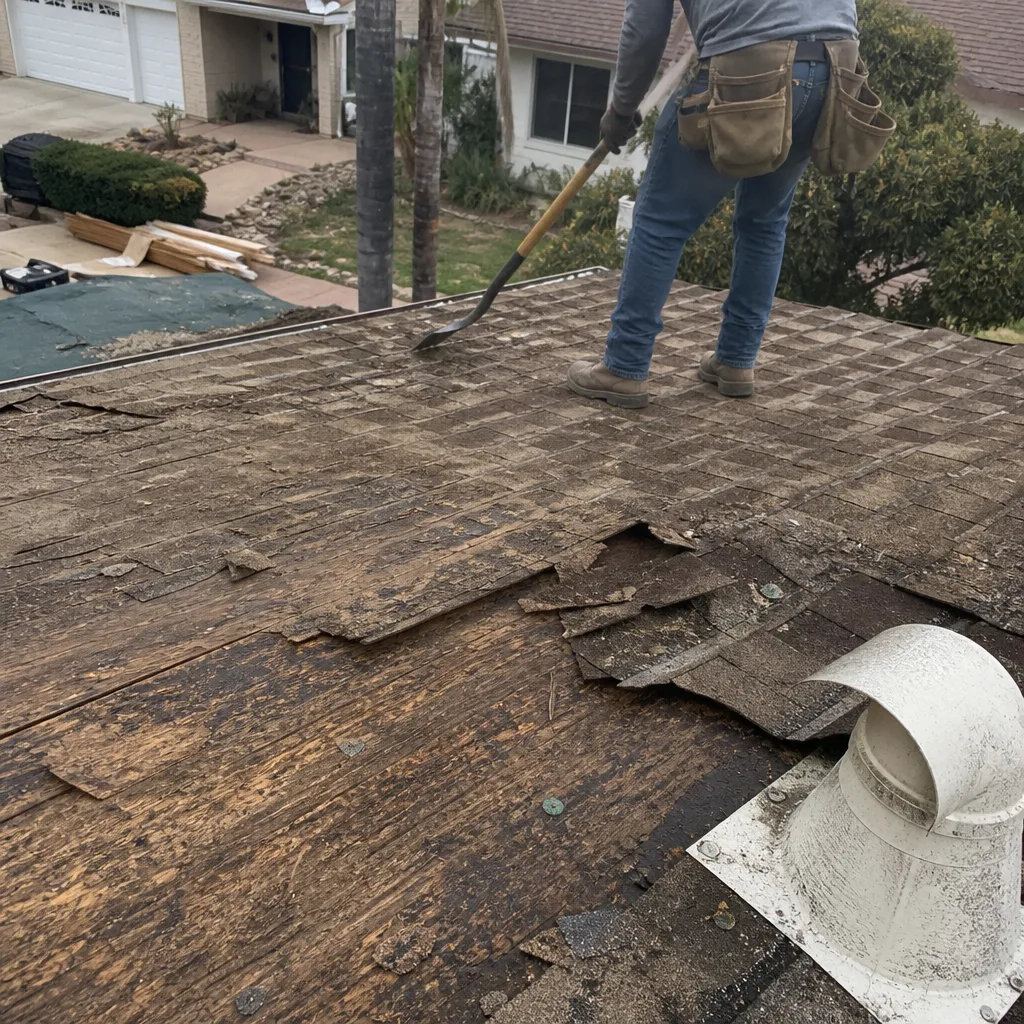 Before
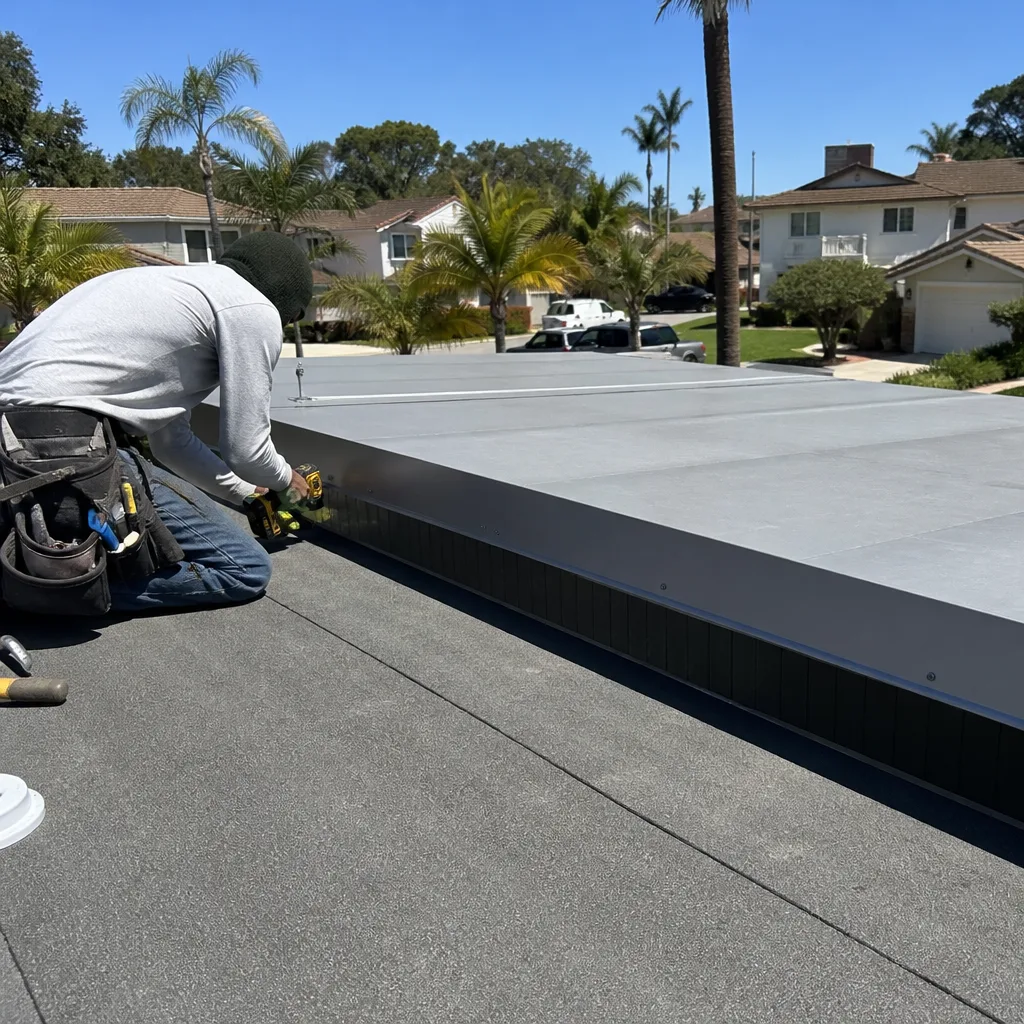 After
After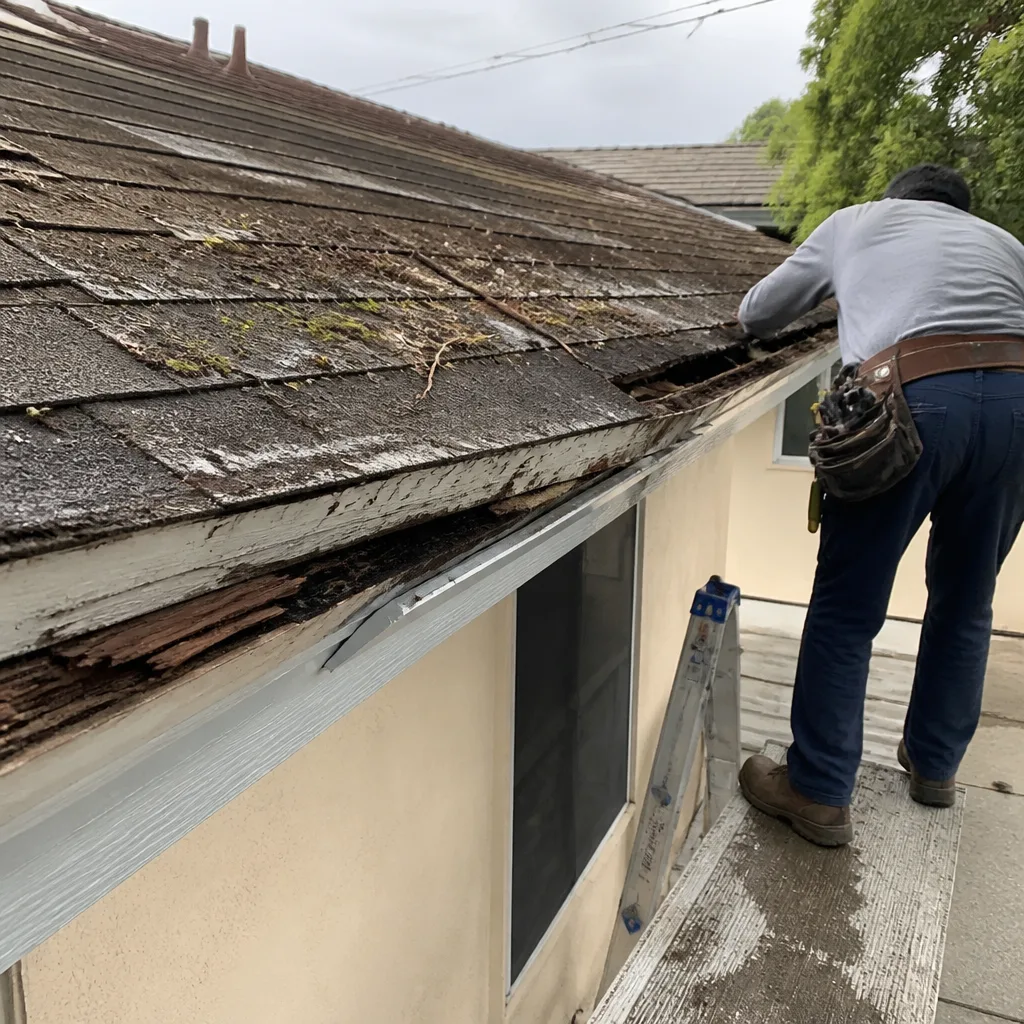 Before
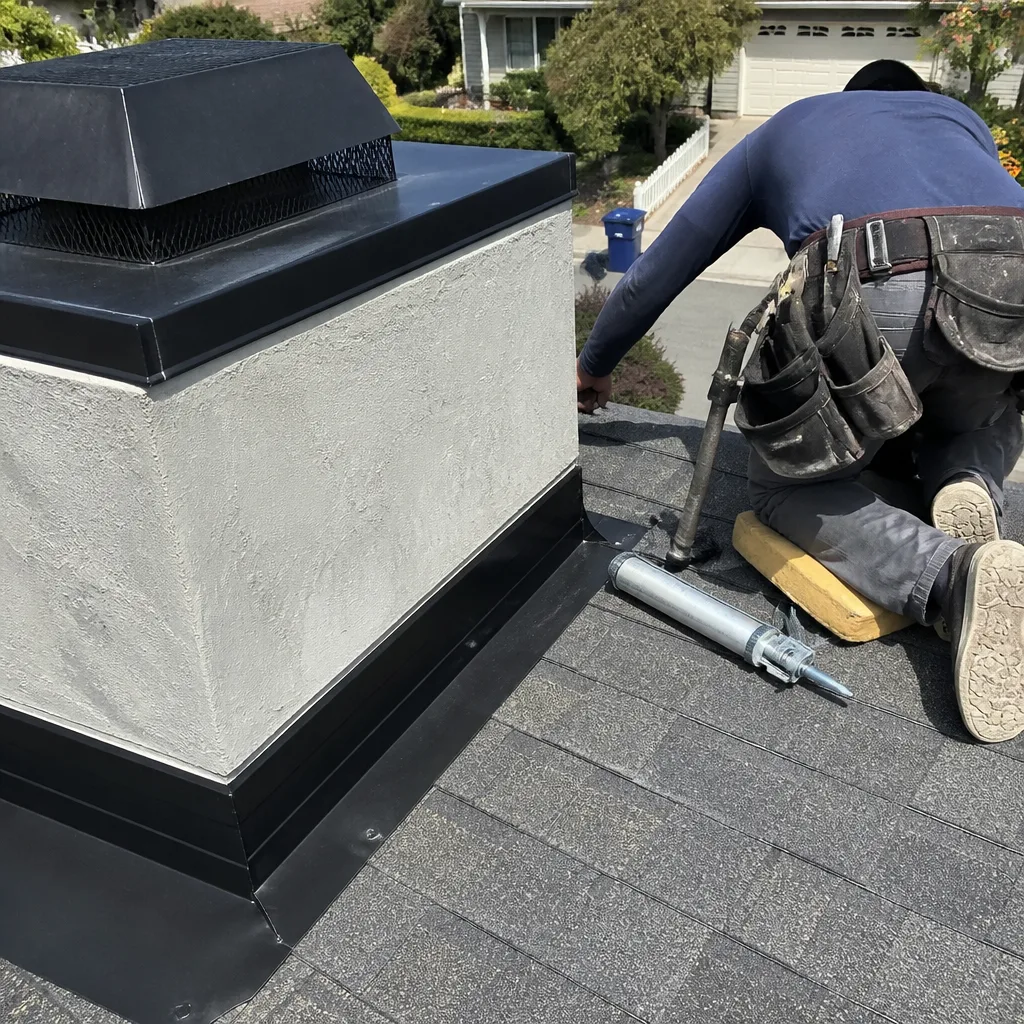 After
AfterReplacement Cost & What’s Included
For a standard Boral flashing replacement in San Diego, you’re looking at these installed price ranges:
- Single pipe boot flashing replacement: $285 – $395
- Step flashing along one sidewall (up to 20 linear feet): $420 – $640
- Chimney flashing repair (one side, including new counter-flashing): $350 – $550
- Valley flashing replacement per valley: $500 – $800
That’s the installed price, including the part, the labor, the trip, and the cleanup. What drives the range is the tile profile, the condition of the underlayment where we’re working, and whether we can reuse the existing tile or need to set replacement tile around the flashing. A barrel mission roof takes longer to flash correctly than a flat profile, so labor runs higher on those. Before any work starts, we give you a written price. If we open things up and find rotted decking beneath the flashing, we’ll show you what we found, explain what it means, and give you a written change order before proceeding. No surprises on the invoice, ever.
Every Boral flashing replacement we install includes our 365-Day Done Right Promise. If the flashing fails within a year, we come back and make it right at no charge. That’s a written guarantee on every repair, and it’s included automatically.
DIY or Call Us?
Flashing replacement is not a ladder-and-caulk job, and we say that plainly because we’ve seen what happens when it’s done wrong. The work often requires lifting tile, cutting metal to profile, and working at height, near roof edges, and around penetrations. The risk of a fall is real, and we don’t want anyone learning that lesson the hard way. What a homeowner can safely do is identify the problem from the ground: note where the stains are, take photos of visible flashing, and check for lifted metal after a wind event. That’s useful information for the estimate call. The actual replacement, especially on a two-story San Diego home, belongs with someone who is trained, insured, and carrying proper fall protection.
When we send a technician to your home, you’ll know who’s coming before they arrive. The technician’s name and photo are sent to you ahead of the visit, and they’ll badge in with a photo ID at the door, in a clean, marked uniform. That’s the Threshold Verified standard we hold every visit to. If you’d rather talk it through first, call (619) 810-5520 and we’ll walk through what you’re seeing over the phone.
FAQs
Galvanized Boral flashing in San Diego typically lasts 15 – 25 years, but coastal neighborhoods like Ocean Beach or Pacific Beach can cut that to 10 – 15 years because of salt air corrosion. Copper flashing often lasts 40 years or more. The tile itself will outlast the flashing two or three times over, which is why most Boral roofs need flashing work before they need tile work. If your flashing is older than 15 years and you’re near the coast, it’s worth a close look. Call (619) 810-5520 and we can assess it during a free estimate.
Sometimes a section of flashing can be re-sealed or spot-patched, but it’s usually a temporary fix that buys a season, not a decade. The failure point is rarely just the sealant; it’s metal fatigue, corrosion, or a profile mismatch. We’ll tell you if a repair will genuinely hold, and we won’t push a full replacement when a targeted fix does the job. The written price you get reflects what we actually recommend, not what’s easiest to sell.
A single pipe boot or a short run of step flashing typically takes half a day on site. A full chimney flashing or a valley replacement can run a full day depending on access and tile removal. We protect the surrounding tile as we work and clean up after ourselves, so the only sign we were there is new flashing and a dry ceiling. We’ll give you a clear timeline in writing with your estimate.
We stock common Boral-compatible flashing profiles on our trucks: step flashing, pipe boots, and valley flashing in standard gauges. For unusual profiles or copper flashing, we order from our local San Diego suppliers, and that usually arrives within one to three business days. We also work with flashing systems for GAF, Owens Corning, and CertainTeed roofing systems, so if your roof is a mixed system, we can match accordingly.
If your Boral flashing is showing its age, or you’ve already got a stain on the ceiling, call (619) 810-5520. We’ll talk through what you’re seeing, schedule a time that works, and you’ll get a written price before anything is touched. A roof shouldn’t be something you worry about – that’s what we’re here for.
Written by Grant Whitlock, Owner, Mercer Roofing Co San Diego at Mercer Roofing Co San Diego, serving San Diego and nearby areas.